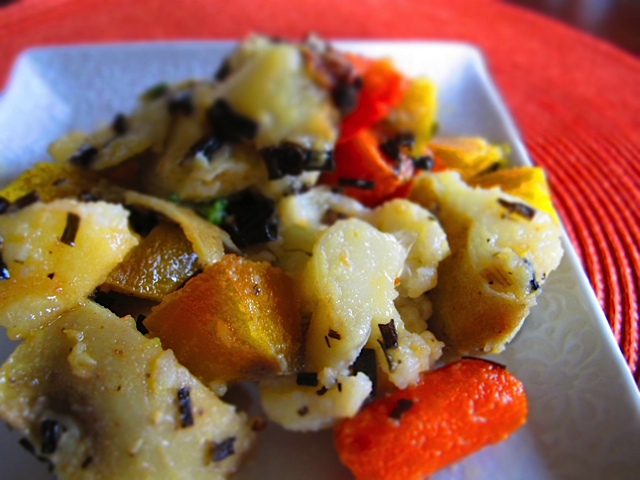
Lamb Tagine

Click here to view recipe.

Cooking in my kitchen with Toby

Like many of you, I love spending time with my friends – yet I find everyone is busy going in many different directions. Between work, the gym, travel, knitting, golf, bridge, and everything else on the list, it is tough to find quality time with my special girlfriends. Whenever we can, we’ll carve out an hour to take a walk, have lunch, or go to the movies. One of my favorite ways to connect, however, is hanging out in the kitchen.

Since I arrived in Seattle nearly 32 years ago I have made an effort to cook with some of my dearest friends. Sometimes this involves baking special foods for the holidays, sometimes it revolves around a two-person project, and oftentimes it is simply just for fun. I’m hard pressed to sit still for too long (not my favorite trait) so when I make a date with a friend to cook together, it gives me time to catch up with what is going on in our lives AND be very productive at the same time.

A few caveats here: #1 I am very, very bossy in the kitchen and need to be in charge of how things are made, how to chop ingredients, what order to add them….on and on. The word “chef” translates into “chief” after all and I haven’t lost my Captain’s license from my catering days.  In addition to my needing to be the “boss,” I can only cook with those who share my propensity for a tidy kitchen – a messy workspace makes it next to impossible for me to enjoy my cooking experience. I can imagine that these, shall we say, compulsive tendencies may be off-putting to some. But my friends who know me well understand and embrace my controlling ways! Plus we always split the cost of the ingredients and inevitably end up with incredibly delicious dishes.

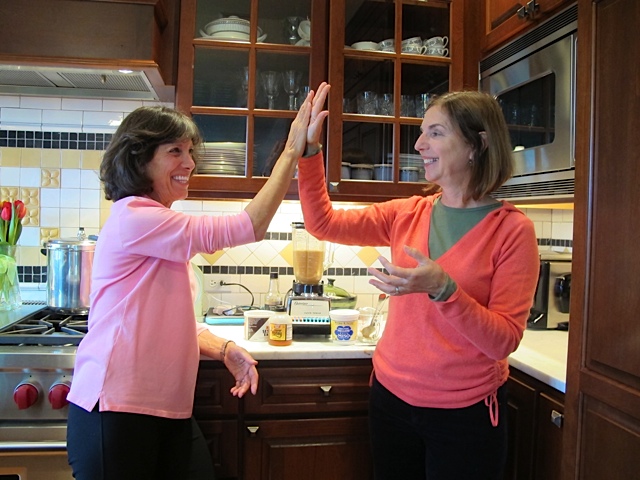
On a recent Monday I got together with my friend, Toby. Lucky for me, she likes to do the grocery shopping so I emailed her a very specific grocery list and she arrived armed with all the ingredients needed to make lamb tagine and a lovely miso orange salad dressing. We had barely two hours to be together and not only did we make the stew and the dressing, but I taught her how to make my famous seeded crackers and we threw together a terrific hearty lunch with lots of great leftover food. We even managed to get the dishes washed and the floor swept – not bad for two hours!

All the Ingredients

I would encourage you to find a cooking partner or partners on occasion. Decide who you can work with – someone has to be “in charge” and you have to agree on what to make, how long you are willing to spend cooking, who shops etc. You’ll be amazed at how much more gets done and what a fun activity this can be for friends to share.

Lovely Lamb Tagine

Pressure Cooker Lamb Tagine

Serves 4-6

pf-icon2

Ingredients:
  • 1 tablespoon olive oil
  • 2 pounds boneless lamb stew meat, cut into 1 ½ inch cubes
  • 1 large brown onion, peeled and chopped into 1-inch pieces
  • 3 large cloves garlic, minced fine
  • 1 cup dried apricots (I used organic non-sulphured apricots)
  • 1/3 cup white raisins
  • ½ cup blanched whole almonds
  • ¾ tablespoon fresh gingerroot, peeled and minced
  • ½ teaspoon ground cinnamon
  • 1 tsp salt or to taste (I needed more at the end)
  • 10 grinds of ground black pepper
  • 1 cup water
  • Fresh squeezed orange juice from 1 large orange
  • 1/3 cup packed fresh mint leaves
Instructions:

Heat oil in large 12-inch sauté pan over medium-high heat. Add lamb cubes and brown on all sides, about 5 minutes per batch. Transfer browned lamb to plate with slotted spoon.

Add onion and garlic to the liquid in the pan and sauté 3 minutes to soften. Place lamb, onion and garlic and the rest of the ingredients into a pressure cooker. Cover cooker, securing lid; bring to high pressure. Reduce heat to maintain high pressure* and cook 20 minutes. Let pressure release naturally, 10 to 15 minutes.

When pressure has dropped, carefully remove the lid away from you. Test meat; it should be fork-tender. If it’s not tender, replace the lid and cook under high pressure 5 minutes longer, then quick-release pressure.

Notes:

Believe it or not, the almonds in this recipe stay crunchy and give the stew some texture.

I served this thick stew on top of jasmine brown rice pilaf with lots of carrots and a butter lettuce salad. Orange slices and biscotti make a nice, light dessert.

*This could be done on top of the stove in a 4-quart pot but it will take a lot longer and most likely you will need to keep adding water so it doesn’t dry out. 20 minutes in the pressure cooker, people. Come on!! Try it, you’ll like it. If you live in the Seattle area come over and I’ll convert you to pressure cooking.

Share
Posted in Meat | Tagged , | Leave a comment

Caipirinhas

Click here to view recipe.

Beautiful Beach & Boardwalk in Sitges

After a week in Barcelona filled with intense museum going, architectural tours, walking for eight hours each day and eating overpriced food, I needed a break. My brilliant husband reviewed our guide book and stumbled upon a town called Sitges – a beautiful village nestled along the coast only 45 minutes from Barcelona. We packed our bags, walked to the train station, purchased tickets and shortly arrived at this beach town that many refer to as the “St. Tropez of Spain.” Mountains, warm sunny weather, expansive beaches, an azure ocean. Very low key, with great people watching. How bad could that be?

It turned out to be an unexpected and magical interlude for our vacation. We stayed in a quaint hotel along the beach that was clean and conveniently located right near San Sebastian beach. We meandered all over the town and hiked up the cliffs overlooking the ocean. It was paradise!

Our Lovely Hotel

There were at least eight outdoor restaurants surrounding us, all serving fresh seafood and local Spanish fare. We found one of our favorites by accident. La Mentha, a small, authentic pub, was almost hidden down a winding cobblestone street. Spaniards tend to eat dinner around 10pm or even later which just didn’t work for me given the nine-hour time difference from Seattle. Much to my delight, La Mentha was actually serving food around 8pm! After the day’s activities, we were starved and ready to eat. Everything was prepared simply – just the way I like it. Seasonal fish, fresh vegetables and a light salad all tasted fantastic!!

And then there was the bar. They advertised Caipiringas, Brazil’s national cocktail and one of my favorites. Our Italian bartender told us he made them much like they do in Brazil. Bingo!

Caipiringas!

He muddled and squeezed fresh limes, combined it with turbanado sugar and homemade sweet and sour mix. With all the crushed ice, it quenched my thirst and tasted like the real deal. Salted peanuts were served as an accompaniment. We returned every day while in this lovely town and consistently ended our brunch or dinner with one of these homemade refreshments.

Mandarin Caipirinha (The orange was my wanna-be-bartender husband’s twist!)

Ingredients:
  • 1 lime, cut into 6 wedges
  • 1 heaping Tbs. turbinado (raw) sugar (granulated sugar works but the turbinado sugar is pretty readily available and more authentic)
  • 2 ½ oz Cachaca* (ours came from the neighborhood state liquor store)
  • Juice of 1 satsuma orange (or juice of a ½ of a large juice orange)
  • Finely crushed ice to fill the tall martini shaker ⅔ full (about 2 ½ cups)

* If you can’t find Cachaca – you can substitute light rum. But I highly recommend hunting down Cachaca!

The Essential Ingredients

Instructions:

Muddle the lime and sugar in the bottom of a martini shaker (follow this link to learn how to “muddle”). This releases the juices and oils from the limes.

Add Cachaca, and satsuma or orange juice.

Fill the shaker ⅔ full of crushed ice (we actually pound ice inside a cloth bag with a mallet!)

Shake well and pour all the liquid along with the limes and ice into a 16 ounce tall glass and fill the glass to the top with more crushed ice. Garnish with a lime wedge.

Stir and sip…it gets better as the ice melts!

Share
Posted in Beverage, uncategorized | 2 Comments

Mujadrah

Click here to view recipe.

Healthy Food for Teens

I volunteer throughout the year for various organizations and causes; I am not one to lick envelopes or address invitations because I would rather use my skills and talents to really make a difference. So on a recent dark, cold Monday night while the rain fell endlessly, I drove over to the University Lutheran Church near the University of Washington. My friend Marilyn had asked me to help her team cook for homeless teens and I was thrilled to be able to help.

A few of the volunteer servers

The first group of workers arrived around 5 o’clock; one woman had groceries loaded up with all the ingredients we needed for dinner, and we all pitched in to help empty the car and transfer everything to metal carts. Through the door, up the elevator and into the commercial kitchen we went, chattering all the while. Everyone donned their aprons and began working on the meal, which had to be ready to serve by 6:45pm. One woman cut up fruit and vegetables, a team of two constructed the enchilada casserole and nachos, someone else created a beautiful salad and I had the distinctive job of making Mujadrah, an Egyptian lentil/brown rice/caramelized onion dish.

Around 6:45pm the next group of volunteers arrived and they set up eating tables and the buffet tables with plates, cutlery, and the food. The young adults were already in line for dinner and I stayed long enough to watch them enjoy the meal. I was so happy to see them partaking in a hearty, healthy meal on such a dreary, wintry night.

Mounds of Onions Sauteeing for Mujadrah

Teen Feed organizes meals every Sunday through Thursday night, relying on various groups of volunteers to shop, cook and serve dinner to teenagers who live on the streets, are homeless or who cannot afford to buy food. We cooked and served a delicious dinner of cut up fruit, vegetables with hummus, green salad, Enchilada casserole, Nachos, Mujadrah, cookies, milk and juice. This type of meal would be tough for these teens to afford, and many of the fruits and vegetables we served were organic. Nearly 70 kids served themselves mounds of food, chatted happily while eating and left appearing to be very satisfied.

This was my second time cooking for these youth and I’ll absolutely do it again! The only downside was that I totally smelled like onions (I diced 10 of them) when I got home. But considering I had a warm home to return to – I am not complaining.

Mujadrah

Egyptian Mujadrah (brown rice, lentil, and caramelized onion pilaf)

Serves 8

Ingredients:
  • 1 large brown skinned onion, peeled and cut into thin half moons
  • 2 cloves of garlic, peeled and finely minced
  • 1 tsp. fresh ginger, peeled and finely grated
  • 1/2  tsp. dried ginger
  • 3 Tbsp.  vegetable oil
  • 1 cup brown lentils
  • 1 cup brown basmati rice
  • Salt and pepper to taste
  • 1/2 of a small bunch flat leaf parsley, stems removed and finely chopped
Instructions:

Heat the oil on medium high in a 10 inch skillet (cast iron pan works best) and add the onions. Turn heat to medium and stir onions occasionally until they are caramelized and very soft, between 20-30 minutes. Add the fresh and the dried ginger and the minced garlic toward the end of the cooking time. You might need to add additional oil if it seems dry.

Delicious Carmelized Onions

Meanwhile, cook the brown rice with water in a sauce pan or pressure cooker according to the package directions. Simmer the lentils with water separately according to your usual method. The lentils need to be watched so they are not undercooked but don’t overdo it either or they get mushy.

Combine the cooked brown rice and cooked lentils with the caramelized onions, and more salt and pepper to taste together in a large bowl. Taste and adjust seasonings. Top with some chopped parsley.

This tastes great warm or even at room temperature, and left over Mujadrah is great reheated the following day. It’s even vegan and gluten free!  I serve it with a large Greek vegetable salad and fresh fruit at home.

Share
Posted in Africa, Side Dish | Tagged , | 2 Comments

Honey Oatmeal Bread

Click here to view recipe.

Daughter Rachel with horse & buggy near Kalona

I grew up in Iowa, a place of simplistic beauty. My daughter and her family still live in eastern Iowa so I often travel back to the place where I spent almost 20 years. Last spring we took a short field trip (literally… it was a trip through the farms and fields) to Kalona, Iowa – a twenty-minute drive from my daughter’s house. I used to visit this beautiful area almost 40 years ago when I worked as a nurse in Iowa City. These were the days before the farmer’s market movement so I was always on the hunt for fresh cheese, produce and eggs.

This charming rural town is home to a large number of Amish families and contains many locally owned shops, bakeries and restaurants. A subgroup of the Christian Mennonites, Amish churches provide rules that include simplicity in the way their followers live and dress and instruct their congregants survive without the ease of modern technology. My grandson Zay was fascinated with the horse drawn buggies, the mode of transportation for observant Amish families even during sub-zero Iowa winters and sweltering, humid summers. Amish women wear dark colored, long garments, sensible shoes and white or black head coverings and the men have long beards and they wear brimmed hats. The most devout in this community do not use electricity, and they certainly do not own cell phones or computers!! They utilize oil lamps in their businesses; all machinery for farming and manufacturing is run by manpower. Many Amish men and women allowed me to photograph their businesses and horse drawn carriages but humbly stated that they did not want their pictures taken!

During this trip to Kalona, we began at the cheese factory and watched the cheese curds (AKA squeaky cheese) being stirred. The curds were fairly bland, buttery yet salty and definitely squeaky. We bought a small bag of them and ate most of our stash in a short time. They were perfect “kid” food – easy to grab and nutritious to boot. Next was the Stringtown Grocery where we bought bulk mini cinnamon chips (which I use for my scones), local pastry flour and small vegetable starts for leeks and onions. There were more than 30 varieties of potatoes packaged by hand in paper sacks, many with names that were new to me.

Potato varieties at the Grocery

Our final stop of the morning was the Golden Delight Bakery! In addition to beautiful homemade berry and cream pies, breads and pastry, the establishment sold freshly made glazed doughnuts. The women allowed me to photograph the work space where they were getting ready to bake pecan logs, apple pies and rolls. Without electricity the room was exceedingly quiet and peaceful and the women chatted amicably with each other. They courteously answered my many questions and eyed us with amusement. On the way out we purchased doughnuts, ate them outside on a picnic table then returned home a much-needed nap.

Zay with his grandpa eating his glazed doughnut at the bakery

Once I had a chance to rest I decided to use the freshly-purchased flour to bake some of my family’s favorite Honey Oatmeal Bread (recipe below) and soon the kitchen smelled almost as good as the Bakery in Kalona.

What a morning! And such a great reminder that foodies like me don’t need to travel to exotic locations when in so many instances a short drive down a country road will reveal an entirely different world – sometimes a world that has stood still for over 100 years.

This is a sweet tasting, very moist bread that is loved in our family. It’s perfect for toasting and I love to serve it with fresh butter and a bit of honey. And it freezes very well for up to a month.

Freshly baked bread

Honey Oatmeal Bread

Makes 2 loaves

pf-icon2

Ingredients:
  • 2 cups boiling water
  • 1 cup old fashioned oats
  • 2 Tbs. butter
  • ½ c honey
  • 1 Tbs. active dry yeast
  • 2 tsp table salt
  • 5-6 cups white bread flour (says “Better for Bread”)
  • Egg white for glaze and about 2 Tbsp oats for glaze
Instructions:

Pour boiling water over oats and stir to blend. Mix in shortening and honey. Cool until lukewarm, (less than 120 degrees) then blend in yeast and let stand 5 minutes. You should see a little bit of foaming action from the yeast/honey mix.

Add salt and 4 cups of flour and beat together with a rubber spatula. Let the dough rest 10 minutes, add flour bit by bit until it forms together and is a bit sticky but can be kneaded on the counter.

Clean out the mixing bowl and oil or butter the inside of your clean bowl. Place the smooth ball of dough inside and cover the bowl with a tea towel and let it rise in a warm place for  1 hour.

Punch down the dough, form two smooth balls and let it rest again for 5 minutes. Knead a couple of minutes to get the air bubbles out and pat each ball into a rectangular shape, about 10 inches wide by 12 inches long, and roll like a jelly roll, shaping into two loaves. Gently place each loaf into a well greased 8 ½’ x 4 ½’ x 3’ pan and let the dough rise 1 hour in a warm place covered with an oiled piece of saran wrap.

After the dough has been rising for 1/2 hour or so, preheat the oven to 350 degrees. When the oven comes to temperature and the total rising time is between 50-60 minutes, brush the top of each loaf with beaten egg white mixed with a about 1 tsp of water. Sprinkle tops with some oat flakes, and rebrush with the egg white mix to keep the oatmeal flakes from falling off.

Ready for the oven!

Bake ½ hour at 350 or until internal temperature registers 190 degrees. Let cool for 5 minutes, then gently shake the bread and remove to a rack, leaving the loaf on it’s side. Wait at least 20 minutes before slicing into the loaf and do not put in plastic wrap or freeze for at least 4 hours so the internal temperature is cool.

NOTE: You can use 1 cup of whole wheat flour in place of 1 cup bread flour, and can make ½ recipe in you don’t want two loaves.  In these pictures I made a free form round loaf without a bread pan which works as well.

Share
Posted in Breads, North America | Tagged , , | 2 Comments

Sopa di Lima (Chicken Lime Soup)

Click here to view recipe.

Delicious Sopa di Lima

In keeping with my 2012 resolution, this first post for February is a recipe that is extremely easy to prepare. In the interest of keeping it simple, just a bit of a back story and one picture to entice you to try this delicious soup!

After being in Belize for a little over 3 weeks in January, I was a little tired of burritos, chicken rice and beans, and ceviche. I’d been craving something “clean” and healthful, something filling, and not complicated to make for dinner. I was too tired to bike to town for additional ingredients, so this recipe is totally fabricated – based solely on items at hand. I didn’t consult a single recipe or do a Google search, I simply forged ahead with the vegetables I had in my refrigerator. My husband had a bit of a sore throat, so what could be better than a new version of chicken soup???

I’m telling you this was “double oh” good!

Sopa di Lima

Serves 4-6

Stock Ingredients:
  • 4 chicken thighs on the bone, skin removed
  • 2 average sized tomatoes, roughly diced
  • 1 small onion, peeled and roughly diced
  • ½ bay leaf
  • 1 carrot, peeled and chopped into ½ inch coins
  • ½ bunch of cilantro, washed and roughly chopped
  • 2 tsp sea salt and 10 grinds of fresh pepper
Soup Ingredients:
  • 1 large carrot, peeled and thinly sliced
  • 2 small tomatoes, diced
  • ½ green pepper, dice small
  • ½ bunch fresh cilantro, chopped stems and all (Cilantro is one of the few herbs where you can use both stems and leaves!)
Additional Ingredients:
  • 2 limes, juice only
  • Tortilla strips
  • Hot sauce (optional)
Instructions:

In a 3 quart sauce pan, cover the chicken with water so it is one inch above the chicken parts. Bring to a boil, skim off the foam and add the rest of the ingredients. Reduce heat, partially cover and simmer 1 hour. Remove chicken thighs and strain the broth. Shred the thigh meat, return to the wiped-out-with-a-paper-towel soup pot with the strained broth. Discard everything else. (Note: when I make stocks for soup, I always strain out the vegetables once cooked, and then start anew with fresh veggies. That way they have a brighter, fresher flavor in the finished soup.)

Add all the “Soup Ingredients” to the stock and shredded chicken. Simmer until veggies are barely cooked (around 15 minutes).

Right before serving, add the juice of 2 limes and some baked corn tortilla strips. (* See note) Add more lime juice, hot sauce or salt to taste.

I also add about ½ cup of previously cooked and reheated quinoa with the soup before serving, but cooked brown rice would be equally tasty and filling.

*Baked tortilla strips: cut fresh (unbaked) corn tortillas into strips about 2 inches long by ¼ inch wide. Put on foil lined tray and bake at 350 for 10 minutes until they are crisp. I do this in my handy dandy toaster oven.

With a simple salad, this hits the spot for hot or cold weather.

Share
Posted in Central America, Soups | Tagged , | 2 Comments

Kasha Varnishkes – Old Style Comfort Food

Click here to view recipe.

Kasha Varnishkes

My great grandmother-in-law Molly was born and reared in the Ukraine. I never had the chance to meet her, but have heard many stories throughout the years about her culinary acumen. She was, reportedly, an excellent baker – turning out crusty rye breads, sweet buckwheat pancakes and many other delicacies.

Molly moved to the Midwest in her twenties and later taught my mother-in-law Rosella to prepare “kasha varnishkes” or whole grain buckwheat groats with noodles. The name “varnishkes” seems to be a Yiddish alteration of the Russian “varenichki” which translates to stuffed dumplings. Also known as “Jewish soul food,” kasha is a staple in Eastern European countries.

When I first met my mother-in-law, she placed a huge, steaming bowl of kasha varnishkes in the center of the table. Not familiar with groats – which have a dark, pearly, grain like appearance – I was at first a bit tentative. But my husband piled a huge portion onto his plate and started eating with such gusto that I felt compelled to follow suit.  I was delighted by the dish after my first bite. Small bits of onion were singed and almost burnt – lending them a deeply caramelized flavor. The combination of chewy grains and succulent noodles was extraordinarily comforting.

Kasha mise en place

Nearly every visit, my mother-in-law would have a huge bowl of this dish ready and it inevitably disappeared within a day.  She taught me how to prepare it and I taught my own kids. Kasha has become a family tradition. Granted, it has changed a bit from the original recipe of the olden days. I tweaked it by substituting olive oil for chicken fat and now I use whole wheat bow tie noodles.  Regardless, every time I taste it I think of Molly Weissman stirring her huge pot of groats and noodles and doling out this soothing delicacy to her own family.


Kasha Varnishkes

Serves 6-8

Ingredients
  • 1 large (or two average) yellow onions, diced into ¼ inch pieces (about 2 cups)
  • ¼ cup extra virgin olive oil
  • 1 large egg, slightly beaten
  • 2/3 cup coarse kasha
  • 2 1/3 cups hot water
  • Salt and freshly ground pepper to taste
  • 1/4 pound (1 cup) large or small bow tie-or small shell shaped noodles

Instructions

Over medium flame, heat the oil in a large heavy, straight sided sauté pan and turn on the exhaust fan.  Add onions and sauté them with about 4 grinds of pepper and ¼ tsp salt until really deep golden.  Be sure to stir every 3 minutes or so.  This can take a total of 30 minutes. Remove onions to a plate. You don’t need to clean or wipe out the pan!

Beat the egg in a small mixing bowl and stir in the kasha. Mix, making sure all the grains are coated. Put the kasha in the same heated frying pan, set over a medium high heat. Flatten, stir, and break up the egg-coated kasha with a fork or wooden spoon for 5 minutes or until the egg has dried on the kasha and the kernels are very brown, aromatic and not stuck together.

Remove the pan from the burner and add the water, salt, and pepper to the frying pan and bring to a boil. I strongly recommend that you wear oven mitts as it splatters and steams. Add the sautéed onions, cover tightly, and cook over low heat, steaming the kasha for 10-15 minutes or until it is really puffed up. Remove the cover, stir, and quickly check to see if the kernels are tender and the liquid has been absorbed. If more cooking is needed, cover and continue steaming for 3 to 5 minutes. Add more water if it seems too dry.

Meanwhile, bring a large pot of water to a boil. Cook the bow-tie noodles according to the directions on the package. Drain.

When the kasha is ready, add the noodles to the fry pan and stir together.  Although it’s not tradition, you can garnish this with chopped fresh parsley to add some color.  Serve alone with a salad or with some sliced pot roast, fish or stuffed chicken.  I often have it with oven roasted vegetables on top.

Share
Posted in North America, Side Dish | Tagged | 2 Comments

Sofado – A Guatemalan Feast With a New Friend

Click here to view recipe.


Making Sofado

Click here to view on YouTube

During a recent visit to Northern California, my friend Gloria said, “I just love those coconut cookies you made for Linda…can you show me how to make them?” “Of course I can,” I replied. The next thing I knew I was performing a cooking demonstration for Gloria à la the Food Network, carefully showing her how to mix chocolate and condensed milk and coconut to make the most sumptuous cookies. I even produced a copy of my recipe for her to follow along as I cooked.

“What special foods do you make that originate in Guatemala?” I asked. Gloria replied that she loved Sofado, a beef stewed with a fresh vegetable sauce, traditionally served with white rice, chopped vegetable salad (ensalata rusa) and homemade corn tortillas. She is the middle child in a clan of nine; huge simmering pots of stew were a popular item in their home kitchen. She learned to make this time honored dish from her mother in Quetzaltenago, Guatemala – the “second capital” of the country located in the southwest region. Her family still lives in this beautiful area, 45 minutes outside of the city on a farm with cattle and a huge vegetable garden.

The streets near Lake Atitlan, Guatemala

I have been fortunate to have visited many areas in Guatemala including Tikal as well as Livingstone and Rio Dulce, and I hope to explore more of the country someday soon. So I was immediately intrigued to learn more about Sofado. Gloria told me that, though not every Guatemalan makes this dish, it is a popular tradition in her family, often prepared for special occasions such as birthdays, christenings and anniversaries.

A Guatemalan woman at the market

I decided to barter with her. “I’ll teach you to make my cookies if you teach me to make Sofado,” I offered. Happily, she responded with one word. “Deal!”

She dictated a list of ingredients for me, and off I went to find meat, vegetables and the rest of her list. I had trouble finding the “long, red dried Chilis — not too spicy” and had to visit a second grocery store where I luckily saw them. I also purchased Maseka, instant corn flour, so she could make homemade corn tortillas.

The dish is a two day process. On the first day, the sauce is made and the chunks of beef marinate overnight. On day two, the meat is cooked until very soft. But the time spent is well worth it. This simple dish is rustic and mouth-watering. Perfect for a chilly fall day.

Gloria’s Sofado

Serves 6-8

Ingredients:
  • 1 white onion, peeled and cut into ½ inch slices
  • 2 lbs of roma tomatoes whole (about 12)
  • 6 cloves of garlic, unpeeled
  • 1 stick of cinnamon
  • 1 dry long red chili
  • 3 -4 lbs of chuck roast
  • 2 bay leaves
  • 1 Tbsp salt
  • 1 ½ Tbsp vermouth or white wine
Instructions:

DAY 1:

Line a rimmed cookie sheet with foil and place whole tomatoes, cloves of garlic, onion slices and cinnamon stick on the sheet. Broil until slightly brown, then turn the vegetables over and continue to broil until they soften, approximately 7 minutes per side. When finished, discard the cinnamon stick.

Meanwhile, take 1 long red pepper and remove the seeds. Cut it into 2 inch pieces, cover with water in a small saucepan and boil until it is very soft, about 10 -15minutes. Set aside.

Cut beef roast into pieces that are about 3 inches by 1 ½ inches. Wash meat with water, and leave in a bowl.

Remove the tomato skins (they slide off easily) and the garlic and onion skins and place about half of the broiled vegetables in a blender with about ⅓ cup of water. Puree, then strain into a bowl. Repeat with the second half of the vegetables.

Finally, in a separate batch puree the water/chili mixture. Strain about ⅓ of this chili mix into the tomato sauce – taste and season accordingly. We added the entire chili with water and it wasn’t too spicy. I also put in about ½ tsp of sugar which I always add to tomato sauces of any kind.

Place meat chunks into a large glass bowl, add the tomato/chili sauce and add wine and 3 bay leaves. If the meat isn’t covered with sauce, add additional water. Place saran on top of the bowl and store it in the refrigerator overnight.

DAY 2:

Place meat and all liquid in a pressure cooker and bring to full pressure, and cook for 50 minutes Let the pressure come down on its own – which takes about 15 minutes. Alternately you can cook the meat on the stovetop in a large pot at medium high like beef stew. This should take about 2 hours or until the beef is extremely tender.

We served this with brown rice, her vegetable salad, corn tortillas made from Maseka (made exactly like pupusas but not filled with anything).

Leftovers will keep in the refrigerator for 5 days. Or you can freeze it for up to two months.

Part of the reason I love cooking and myglobalkitchens is the connection I have with people from other cultures and lands over food; I learn about their families, their traditions, and how their lives and meals differ from mine. Usually, when I ask someone to show me or tell me how to make a particular food, they are puzzled. I think it’s rare these days for people to show such interest in the intricacies of creating a dish. Yet most are happy and honored to do so because they recognize that they are sharing their heritage with me and, by extension, my readers. I always remember where my global recipes originate – where I learned to make them, who taught me, and how our lives intersect. I can’t think of a better way to connect with these amazing people I meet all over the globe!

Share
Posted in Central America, Meat | Tagged , | 2 Comments

Crazy About Crackers

Click here to view recipe.

Whole Grain Crackers - my new favorite snack

It is 6:45 am here in Seattle, the night is clinging to the city and I have just put three trays of whole grain seeded cracker dough into my oven to bake. Again. It’s my latest obsession, and for the past month I have made these crunchy, sweet yet salty crackers at least every three days. Two of us, TWO ADULT EATERS, have consumed them with breakfast, lunch and dinner…OK, my adult son also has taken a few to his apartment, but that barely counts. I get like this with food I love — I want it all the time and once I no longer crave the item I move on to the next best thing. (Back in college I used to make popcorn balls ad nauseam for months on end and to this day I cannot stand to even look at a popcorn ball.) Fortunately there is not one ingredient in these crackers that is unhealthy.

The original recipe came from pages 294-295 of Peter Reinhar’s amazing book, Whole Grain Breads. My nutritionist friend Mari Rosen Perry introduced me to this book and actually demonstrated how she bakes 100% whole grain loaves. I bought the book, got a kitchen scale and haven’t looked back since. I love the zen of making breads, and I have made many of the recipes in this cookbook. My only frustration is the timing because the 100% whole grain recipes often require leaving part of the mixed ingredients in or out of the refrigerator for several hours, and I am not good at planning to be home 12 hours later to do “part 2.” That’s why I love these crackers. It takes 10 minutes to make the dough and only 15 minutes to roll out and cut them and then, voila – ready to bake. 20 minutes in the oven, and you are done.

Fresh from the oven

In my usual fashion, I have really simplified this recipe and cut out many of the detailed steps. I also do not weigh the ingredients, and have found this cracker recipe to be very forgiving. Lucky for me, the seeds are all available in the bulk food section of my supermarket. As you can imagine, I have huge quantities on hand for my early morning baking sessions!

So here you are:

Whole Grain Crackers

Makes ~8 dozen

Ingredients:
  • 1 ¾ cup 100% whole wheat flour (I use WHITE whole wheat flour for breads – King Arthur brand) plus extra to roll the crackers
  • Heaping ⅓ cup whole white sesame seeds (do not grind them)
  • Heaping ⅓ cup of either sunflower seeds or pumpkin seeds (OR a combo of both)
  • 3 Tbsp flax seeds
  • ¼ tsp sea salt
  • 5 ounces room temperature water-measure in a liquid measuring cup.
  • 2 Tbsp pure maple syrup or honey (I love the taste of syrup)
  • 2 Tbsp canola oil + a little for the bowl
  • Coarse salt flakes and extra sesame seeds to top the crackers
Instructions:

Combine whole wheat flour, sesame seeds and salt in a medium bowl.

Place sunflower seeds and/or pumpkin seeds and flax seeds In a small coffee grinder (I have a Krups bean grinder from 40 years ago) and pulse 5 times until it is ground finely. Add to the flour mixture.

Combine water, syrup and oil and add into the flour mixture with a spatula, then pour onto the counter. There will be some unincorporated flour that you can work in. Dust the counter with a tiny bit more flour if required and knead about 50 times. The dough will be a little sticky but no worries.

Wash the bowl it was mixed in, oil it and place the dough ball in the bottom. Cover the bowl with plastic wrap for at least ½ hour or up to 12 hours out of the refrigerator. Sometimes I make the dough at night and then continue in the morning, but other times I just can’t wait so long.

When ready to bake, preheat the oven to 350 degrees. Line 3 large baking sheets with parchment.

I put a little flour on a large wood board or a clean piece of parchment and roll the dough ⅓ at a time directly on there with a lightly floured rolling pin. Make it pretty thin (1/8 inch max – or thinner if you can). At this point, sprinkle another 1 ½ Tbsp plain sesame seeds on top and also lightly shake salt crystals on top too. I run the rolling pin over these so they stay put.

Next, cut into 1 ½ inch squares with a pizza cutter or use a cookie cutter and cut into circles if you are trying to be fancy. Be sure the edges of the dough aren’t too thick. Place on lined cookie sheet using a bench scraper, and being sure the crackers do not touch. Repeat two more times.

Dough Cut Into Squares

Bake carefully 10 minutes, then rotate the sheets and bake another 8-10 minutes until fairly brown. I allow the crackers to totally cool on the cookie sheets, then I store them in a paper bag or open container so they do not become soggy. They keep for at least two weeks if they aren’t gone by then.

Note: After I grind the pumpkin/sunflower/flax seeds, I empty the small coffee grinder then put about 20 kernels of rice inside and grind that. The rice removes the oils and smells. I then wipe everything down with a dry paper towel and it’s ready for the next project.

Share
Posted in Odds & Ends | Tagged , , | 10 Comments

Winter Red Lentil Soup

Click here to view recipe.

Winter Red Lentil Soup

Happy 2012! One of my resolutions this year is to post a recipe I’m currently making on the first Wednesday of every month – something I love but more important – a dish that is extremely easy to prepare. There might not be a rhyme or reason to these posts, but I feel like switching it up a bit so here goes #1 for 2012…

I love to make this red lentil soup when it is cold outside and when I don’t feel like going grocery shopping. All the ingredients – ginger, spices, red lentils and broth – are items I always have in my pantry or freezer. And the spicy ginger and inviting orange color make this soup the perfect solution to warm your insides on chilly days. This is easy, a little different and delicious for dinner with some homemade corn bread and a nice salad. Boy, does it ever make your house smell great!

Winter Red Lentil Soup

Serves 7-8

Ingredients:
  • 1 Tbsp extra virgin olive oil
  • ½ large onion , diced small (around 1 cup)
  • 1 Tbs. ginger root, peeled & grated
  • 2 large cloves of garlic, minced
  • 1 tsp ground cumin
  • 1 tsp ground curry powder
  • 1 cup red lentils* (see note below)
  • 5 cups of chicken broth or vegetable broth (homemade or canned)
  • 1-14 ½ oz can diced tomatoes with their juice (I like organic Muir Glen fire roasted tomatoes, but any brand will do)

*Red Lentils are high in protein and iron; they are often used in Turkey, India, Afghanistan and Pakistan. They become mushy as they cook so they are easier for you to digest. Red lentils are very small and can be found in the bulk section of many markets or are packaged – the bag might say “masoor.”

Instructions:

Heat oil in a 4 quart soup pot over medium heat and sauté onion, ginger and garlic for 3 minutes. Add spices and stir for 30 more seconds until they become aromatic.

Mise en Place

Add the lentils, broth and tomatoes and bring to a boil over medium high heat, cover and reduce heat to low. Set simmer for 45 minutes.

You can either use a hand blender, a regular blender or food processor to emulsify it until it is smooth. I have an old Braun “stick” immersion blender that I utilize so that I can just stick the wand into the pot of hot soup and blend away.  This contraption comes in handy when making applesauce, smoothies, potatoes, baby food and other “creamy” soups or sauces, and a myriad of other dishes when I want a smooth texture but don’t want to fuss with cleaning a regular blender. All I do when finished is fill a large bowl with a few drops of dish detergent and water, then blend this mixture. Rinse it, dry it and the immersion blender is ready for the next time. (Waring and Cuisinart both make a stick blender for under $50.) If you don’t have an immersion blender, use a regular blender but be sure to cool down the soup a bit and blend in about three batches.

Blending soup in the pot

I serve this with a dollop of sour cream or Greek yogurt, some chopped parsley and a warm loaf of homemade honey oatmeal bread (recipe coming soon!).

Notes:

  • You don’t need to blend this soup – it is equally delicious as is!
  • This soup freezes extremely well for up to 3 months

The final product!

Share
Posted in Soups | Tagged | 8 Comments

The Unsinkable Minnie


Video of Minnie Making Tortillas

Click here to view video on YouTube

I vividly remember being exposed to abject poverty when I was 28. During a visit to El Salvador, we naively rented a vehicle to drive through some of the outlying areas. Gorgeous, large stucco homes with carved wood garage doors were perched alongside corrugated aluminum or cardboard huts, and the disparity of those with wealth and those without even plumbing or electricity felt wrong. Sometimes ten or twelve people survived inside the dismal huts. Whenever we traveled with our children during their middle school and high school years, we tried to show them how others in third world countries live and survive. Travel changed my belief system and I maintain that it molded my children’s views as well. All of us are aware that we are fortunate to have an intact, loving family, to have an education and to have life skills.

Fast forward to today. Many of my tales from the beautiful isle of Ambergris Caye in Belize make it sound like the perfect little quaint Caribbean community. For those of us who have enough money to vacation or live down here, it is perfect. Unfortunately, there are countless Belizeans who live from hand to mouth and who barely make ends meet.

Minnie

Earlier this summer we were riding our golf cart from “town” to go back home and prepare food for lunch. A young woman carrying a huge package of toilet paper and paper towels flagged us down and asked for a ride two miles north of my house; I told her we would take her as far as our home and she gladly accepted the ride. Her other choice: to walk barefoot for the 5 miles carrying her paper products. The man who gave her a ride to town loaded up his golf cart to the hilt with her food supplies and there was no room for her to ride with him back home. I was immediately drawn to her and we talked the entire ride. Here is her story as she told it to me.

Minnie is 41 years old; she is now single. She has 9 children ranging from 5 years old to 25 years of age; 5 of them live with her. She has never attended school yet speaks both Spanish and English quite fluently. She was born and reared in Belize near Douglas Village of the Corozol district. Her father died when she was 5; he was hunting with her uncle, and the uncle allegedly handed a gun to her father who was perched high in a tree. The gun, according to Minnie, backfired and killed him. Shortly after her mom “met the next man” and left Minnie with her very poor grandparents. She told me that her grandmother sometimes made dresses from old socks so Minnie would have clothing to wear.

Two of Minnie's Sons Samuel & Phillipe

By the time she was 30, Minnie had 7 children. She parted ways with her husband because he battered her and was verbally abusive; at one point he put a knife to her throat and raped her. She has been alone supporting her family ever since. Minnie’s mother now lives in Cancun and Minnie hasn’t seen her in 7 years; as she put it, this is her greatest sadness. She feels that her mother does not love her, or she would not have left her for the remainder of Minnie’s youth. And yet, she talked about wanting to send money to help her mother. She also talked about her dream of her father caring for her, had he not passed away at such a young age.

Minnie’s 24-year-old daughter is married, has two children and keeps asking Minnie to help her financially which Minnie is not able to do. Her 22-year-old daughter was living in Belize but Minnie does not know where she is now; it was evident from the tone of her voice that she is greatly saddened by this. Her 17-year-old daughter Emily (Chabelly in Spanish) helps her every day with cleaning, taking care of the 5 and 8 year old boys and running the food concession. Emily went to school until age 13; Minnie described her as shy and extremely serious.

With Minnie and her daughter Emily

Minnie works seven days a week. She begins at 5 am every day when she prepares three meals on her open fire for the construction and resort workers. Breakfast means 3 homemade flour tortillas, rice and beans and some type of chicken or eggs for the beans. Lunch is usually rice and beans and chicken (some days shrimp or beef) and dinner is the same as breakfast. Each meal costs $2.50 US. On average she feeds 25 workers each day. Everyone buys lunch with “credit” and at the end of each week she collects from the resort that pays the workers (bartenders, maintenance workers, landscaping help, etc.) Sometimes she collects no money and provides up to $40 US for food for which she is not reimbursed because some of her patrons were fired or don’t really work at the resort. She told me her only profit margin is from selling juice, Coca Cola and bags of chips. Meanwhile, on the day we met her she went to town and spent $600 USD for soda, chicken, rice, beans, eggs and supplies to last the week.

Minnie showed me their simple living space, which was an 8 X 8 foot plywood room. Two ancient refrigerators occupied a lot of space, and they were filled with frozen chicken, soda and cooking supplies for the week. Along the other wall were a double sized bunk bed and a hammock. Minnie sleeps in the hammock, three children sleep on the lower bed and two more sleep on the top bunk alongside toilet paper, food containers and nonperishable supplies. I don’t believe they have running water.

As Minnie finished her story, she told me something that I will hold forever: “It’s not a sin to be poor – it’s a sin to be nasty.”

This woman’s tenacity and endurance were so inspiring. Despite the cycle of poverty that pervades and the circumstances that led to her very difficult life, Minnie is a fighter. And I have seen so many women like her. Women who are not educated and end up with low paying jobs. Women who start having children at age 15 because that’s what their mom did. Absent fathers. Women who send money to their parents and support their children at the same time. Women who go without medical care and are subject to crime, poor nutrition, inadequate diets, high rates of disease. And the cycle continually repeats itself.

I searched for Minnie during our last visit and was unable to find her. I hope to see her when I return. Perhaps she’ll teach me how to cook some of the dishes she makes. I know she’ll continue to inspire me for many years to come.

I hope you’ll watch my video of Minnie and her family – you will see how she makes her flour tortillas on a cast iron plate over the open fire. For those of you who want to make flour tortillas at home, this YouTube video demonstrates exactly how I learned to make flour tortillas – I was taught to use oil instead of shortening. Also, oil the counter as you roll or pat the dough into the round shape before flying (flip the dough over so both sides are oiled) and use a seasoned cast iron skillet or griddle.

Share
Posted in Central America | 3 Comments