Turkey Wings in British Columbia

Click here to view recipe.

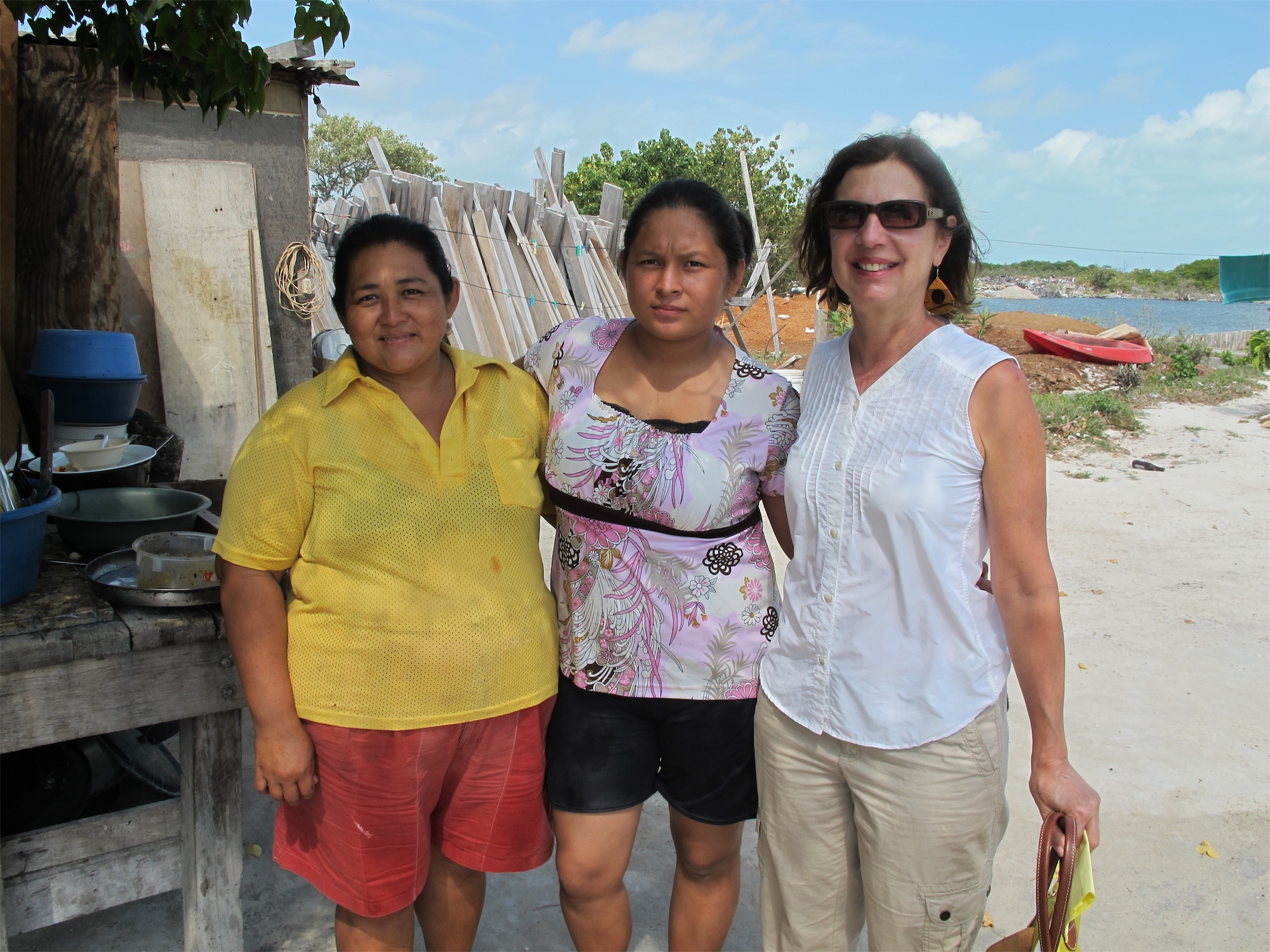
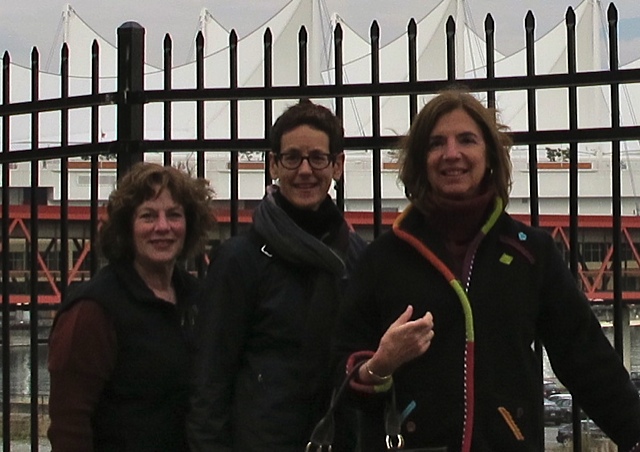
Eileen, Nanette & Me

Following a recent business trip to British Columbia, I had the pleasure of lunching with two dear friends, Eileen and Nanette. I’ll never forget how Eileen suddenly suggested that the three of us plan a short getaway back up to Canada for a birthday celebration for Nanette and me. Of course it took several emails back and forth to set the dates, and we divvied up the hotel reserving, driving, event planning and so forth among us. But it was a GO!! Eileen was the chauffeur, Nanette the map reader and navigator, and I was the event and restaurant planner.

Seattleites consider Vancouver, BC our back yard. It’s such an easy drive – only three hours including customs and immigration screening at the US-Canadian border. I was chomping at the bit to stroll through the Granville Market and eat at the numerous ethnic and seafood restaurants I’ve come to know and love throughout the city.

Because we had a car and a good map we toured the requisite places: Chinatown, Robson Street, Gastown. Every day we walked the city – to Stanley Park, the Aquarium and Bloedel Conservatory. The places to see seemed endless. I paid close attention to everything culinary from the minute we hit the streets, scouting around for new, fun restaurants.

A delightful bakery at Granville

The first morning after we had caffeine in our bloodstream at the Moda Hotel, we headed to the Granville Market. I had been there at least five times prior to this visit, yet it always thrills me to walk and observe the beautiful displays and stalls. Every food item imaginable is on display – everything from fresh fruits and vegetables, handmade pastas, ethnic delicacies, beautiful meats, fresh fish, delicious baked goods…as we strolled the stalls I couldn’t help but think what fun it would be to live nearby this market so that I could shop there daily and expand my culinary repertoire. Seven kinds of herring? Ten types of salmon jerky? The best bagels I have had in years? The grass is always greener, I guess.

Our first dinner was at Lift Bar & Grill, a beautiful restaurant along the promenade walk to Stanley Park. Each guest was given their own iPad as a menu …nice touch! We sampled many wonderful items including chicken livers, cottage cheese/heirloom tomato salad, beet walnut salad, spiced calamari, and veal cheeks. Every single item was cooked to perfection. Happy girls, following our decadent meal we walked to a restaurant lounge nearby to listen to a local guitarist for a couple of hours.

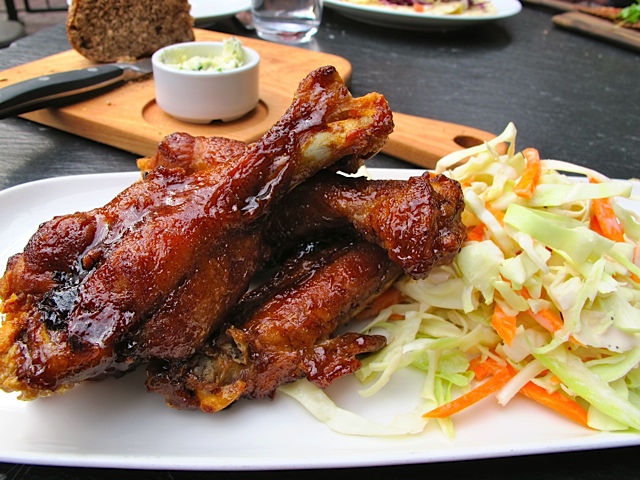
The following morning we strolled through Gas Town and ended up at a place for lunch by happenstance. The weather was nippy so as soon as I spotted my beloved turkey wings on the menu I knew what I was having. This meal reminded that these are so inexpensive and easy to prepare and inspired me to share my recipe with you. They are perfect cold weather vittles, and your kitchen will smell heavenly. So here is how I do it – easy peasy, braised until they fall off the bone.

My beloved Turkey Wings

Sweet & Savory Turkey Wings

Makes 2-3 servings

Ingredients for the spice rub:
  • 1/2 cup brown sugar
  • 2 Tbsp.sea salt
  • 1 teaspoon dried thyme
  • 1/4 cup paprika (smoked or sweet – I like smoked paprika)
  • 1-1/2 Tbsp. coarsely ground black pepper
  • 1 tsp. dried dill
  • ½ tsp dry basil
  • ¼ tsp. dried Cayenne pepper
Ingredients for the turkey wings:
  • 2 organic turkey wings, trimmed and cut in half (about 2 ½ lb total)
  • 1 Tbsp olive oil
  • 3 Tbsp smoked paprika spice rub
  • 3 ½ cups chicken broth
  • ½ orange or red or yellow bell pepper, chopped
  • ½ sweet (red or white) onion, peeled
  • Handful of fresh parsley, chopped
  • 1 carrot, unpeeled and cut into 2 inch pieces
  • 2 celery stalks, cut into 2 piece segments
Instructions for the rub:

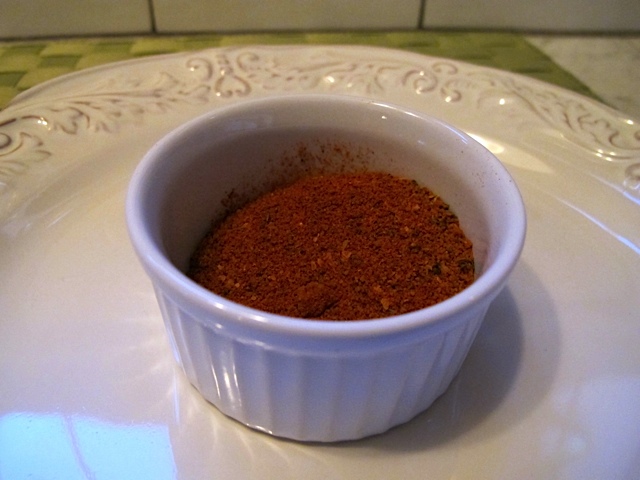
Mix all together well and store airtight at room temperature for up to 6 months. I use it on poultry, fish and even vegetables. The brown sugar and paprika give a beautiful brown color to anything that is seared or sautéed. I even put this in jars to bring to some of my special friends!

Spice Rub Mix

Instructions for the turkey wings:

Preheat oven to 450 degrees.

Cut turkey wings at joints and discard tips. (If you can’t cut them in half don’t worry – they will fall off the bone when finished cooking.) Rub with the olive oil and then pat the spice rub liberally onto the skin of the wings. Arrange the wing portions in a roasting pan. Bake without a cover at until golden brown, about 30 minutes.

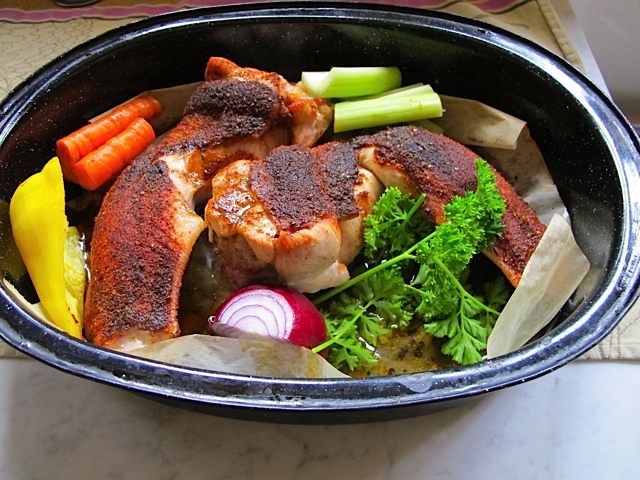
Turkey wings seared with added vegetables

Add vegetables, poking them among the wings and pour chicken broth into the bottom of the roaster. Cover, continue baking at 350 degrees for 2 hours, or until extremely tender. Baste with the juices once or twice toward the end.

The juice becomes very flavorful and I like it over quinoa or mashed root vegetables of any kind. You could thicken the gravy if you prefer it this way. Note: in electric roaster, 1/2 hr at 450 then 45 min at 350 with 1 1/2 c broth and veggies under.

My own version of Turkey Wings – served with mashed sweet potatoes, yukon golds and yams

Share
Posted in Meat, North America | Tagged , , , | 6 Comments

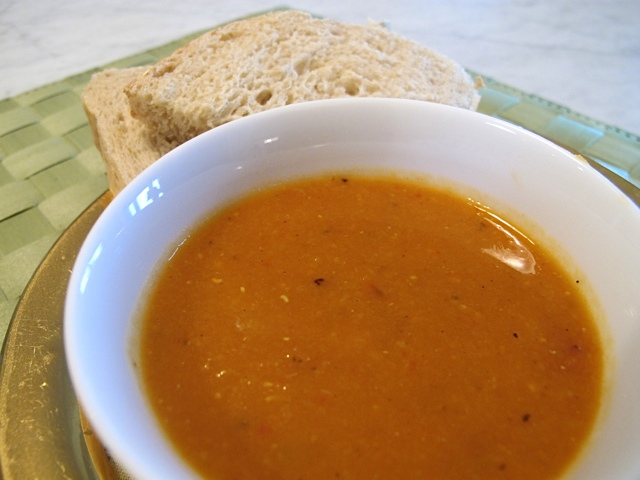
Post-Thanksgiving Turkey Soup

Click here to view recipe.

The Thanksgiving Table

One bit of sage advice I can give to parents and parents-in-law is this: from the moment your child marries, sit down and mutually decide where holidays will be celebrated.  Even if your entire family lives in town, it is nice to “own” one or two events.  My daughter Rachel suggested this a couple of years ago and, as she aptly put it, “if you don’t reserve one or two holidays for our family, no one will bother to consider the day sacred in terms of always including our siblings and their families.”

We all decided that Thanksgiving and Passover would be our family get-togethers. Ever since Rachel and Jonathan got married five plus years ago, we have gathered together – committed to making these times meaningful. My three kids reside in three states: Iowa, Washington State and California. I know that they look forward to seeing each other as much or more than they anticipate sharing the day with us, the parental units.

For the past six years we have made Thanksgiving a three or four day celebration. One year our brood was comprised of twenty people including three generations, several toddlers, and a few turkey-obsessed dogs. Everyone loads up their cars full of food and family and drives ninety minutes through winding roads to my brother’s remote “cabin.” He built this expansive log structure himself and we always set up extra mattresses and create sleeping areas to accommodate everyone. The log walls lend it a lovely, rustic feel and overstuffed furniture nestled around the wood burning fireplace creates a very comfortable atmosphere.

The in-town family has assignments for food which we bring ready for the oven, grill or table.  I always have a large “to bring” list as I arrive with the most extended family.  Last year I pulled up to the cabin with nine pretty hefty eaters – so I brought a lot of food! The kitchen is, of course, the centerpiece of the house and my brother built it to be much larger than the one in his home in Seattle.  As soon as we arrive we load in bags and pots and containers of food, filling every square inch of kitchen counter space. Then we get to cooking.

Every year we have our “tried and true” dishes front and center – yam casserole, mashed potatoes and Black Bottom Pie.  But we inevitably try new recipes. I can’t recall how many versions of cornbread stuffing and cranberry sauce we’ve cooked.  Last year we decided to experiment with the turkey. We bought a turkey fryer and dropped the entire 12-pound bird into the vat of boiling peanut oil.  A mere 90 minutes later we had a beautifully browned, perfectly moist turkey to enjoy. In fact, we had three turkeys last year – fried, roasted and smoked!

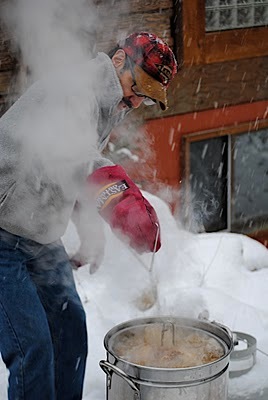
Brother Kal – the Deep Fry Guy

One tradition I started years ago is the creation of a huge pot of turkey soup. It’s often hard to imagine eating after the hours-long, early afternoon Thanksgiving meal. We often push back from the table, vowing to never eat again! Regardless, every year I head into the kitchen to attack what is left of the turkey. I break apart the carcass and pull apart the bones and begin simmering my soup.  This past year we were treated to an early snow so my kids headed outside to build an army of snowmen and others hiked the tree-lined trails around the property. Several of us huddled around the fire reading, knitting, visiting and napping. By the time the sun set, the kids were wandering into the kitchen, lifting the top off the pot of soup and inquiring about our next meal. Everyone helped pile leftovers into mismatched dishes and Rachel threw together a huge salad. As soon as I settled the steaming pot of soup in the middle of the table, everyone dug in.

Thanksgiving is truly a day filled with gratitude. I can’t imagine any Thanksgiving celebration more wonderful than ours, particularly because we spend three days sequestered in the mountains, eating, playing and just being together. Cheers to the fourteen of us last year (21 this year!) and especially to my brother Kal who organizes this get-together!

Marilyn’s Turkey Soup

Serves 10-15


Ingredients
  • Carcass and bones remaining from 7-10 pound turkey
  • 2 cups leftover turkey meat
  • 1 large yellow onion, peeled but left whole
  • 5 medium carrots, peeled and sliced into ½ inch pieces
  • 3 stalks celery, diced into ½ inch pieces
  • 1 ½ cups of pearl barley, rinsed
  • 1 cup dried brown lentils
  • 1 cup dried split peas (yellow or green)
  • 1 ¼  cup dried large lima beans (or northern beans)
  • Salt and pepper to taste


Instructions

Prepare the turkey carcass by ensuring there is some meat left on the bones if possible.

Place the carcass into a large soup pot and cover with water by 2 inches.  Bring to a boil, lower heat and skim off grey matter that floats to the top.

Add remaining ingredients except salt and pepper. Cover and cook on low heat for 2-3 hours.

Open lid and remove onion.  Season with salt and pepper.

The soup thickens after it stands and cools and is really better the next day, although we never wait.  This makes enough for 14 of us with a bit left over!!

Note: if your turkey is larger than 10 lbs, just cut it into pieces and use as much as will fit in your soup pot with the other ingredients.  The rest of the carcass can be frozen for up to 2 months when you can make the soup again.

Share
Posted in North America, Soups | Tagged , , , | 4 Comments

Rugelach (roo’ -gu -la)

Click here to view recipe.

Rugelach

I got a phone call from my daughter Rachel last weekend. She had been reviewing my recipe for crescent shaped rugelach on her computer but the directions were terrible and the ingredients for the filling weren’t correct either. Unfortunately my recipes are cursory at best with little detail because I cook from memory most of the time. “Mom,” she said “If you don’t want your recipes to die with you, you really need to write down or videotape exactly what you do.” Hmmmm… Food for thought (forgive the pun!).

My mother was an excellent baker but never made rugelach. When I moved to Seattle in 1980, I met Anita – another young mother who lived two blocks away. Her son Eli was Rachel’s age (3 at the time), they became best buddies and still are great friends to this day. For the next 30 years Anita and I had a baking date with each other.

Anita and I were a team. I must say that she was, and still is, way more precise than I and always had her ruler out so she could cut everything just so. Our 5-hour long baking days provided us with time to catch up with each other’s lives and ended with enough pastries and cabbage rolls to feed an army.

Rugelach is actually a Yiddish word; they have been around since the 1800’s and are Eastern European, perhaps Viennese, in origin. They have a butter and cream cheese dough and can be filled with poppy seeds, jam or dried fruit filling. The initial recipe for this cookie was Anita’s and it was made with mini semi-sweet chocolate chips and much less filling than I use today. I always place the chocolate mixture inside as written below rather than the more traditional fillings. They are exotic in appearance, fairly easy to make and nearly fail-safe. The dough is very forgiving, too. These cookies never fail to impress and are a lovely gift to package when I am invited to dinner at someone’s home or when one of my friends has a birthday. Along with a cup of tea, they are sweet but not too sweet, beautiful to behold and they inevitably satisfy my own chocolate cravings.

So no worries, Rachel, Daniel and Jake (my kids). This recipe will live on forever in cyberspace! Now I have to get busy and document the other special things you love. Send me your lists!

PS: Some of you readers are probably shaking your heads because there isn’t a whole lot in these rugelach that is good for you. Cream cheese, butter, white flour, granulated sugar… But one or two occasional treats like these certainly won’t hurt you. Believe it or not, my entire family eats healthful food 85% of the time, and when they indulge in rugelach it isn’t something they devour at one sitting. The cookies are too rich and filling for that!

Rugelach

Yield: 64 pieces

Ingredients for the dough:
  • 8 oz regular cream cheese
  • 2 sticks softened butter
  • 2 tsp pure vanilla extract
  • 2 cups all purpose flour (+ more for rolling them out)
Ingredients for the filling:
  • ¾ c sugar
  • 1 ½ c walnuts
  • Heaping ¾ c bittersweet chocolate chips (Ghirardelli is my favorite)
  • 2 tsp ground cinnamon
  • 2 Tbsp melted butter
Instructions:

Preheat oven to 375 degrees.

Put flour, cream cheese, butter and vanilla in a Cuisinart. Pulse until combined and stop when dough starts to stick together – do not over process. Remove carefully from the food processor; the dough should still be sticky. Refrigerate at least 2 hours or up to a week. I have even frozen the dough for a month and it is just fine.

You don’t need to wash the food processor! Just pulse all filling ingredients except butter in the Cuisinart together until pretty finely chopped. Remove to a bowl and stir in the melted butter. Again, I have successfully frozen the filling for 2 months but if you do this, let it come to room temperature the day you plan to bake.

Remove dough from cold refrigerator about 15 minutes before you want to bake the cookies. Divide dough into fourths, and roll each fourth into a smooth ball on the counter with a little flour on your hands.

Use a large floured cutting board. Flatten one dough ball into a 3 inch disc, then use a lightly floured rolling pin to roll this ball of dough into a 9-10 inch circle. I get a little compulsive here and actually trace ½ inch larger than an upside down 8 inch salad plate to make a perfect circle. (see photo)

Dough shaped with salad plate

Put ½ cup of filling in the center of the round circle you have just rolled and spread the filling evenly to the outside edges. With your index finger clear out the center of the circle (1 inch or so) so there is no filling there.

Dough topped with filling - hole created in the middle

Press the nut topping into dough with your palms or lightly roll it so it sticks to the dough with your rolling pin. Using a pizza cutter or a knife (I like the pizza cutter) cut into 16 pie shaped wedges. Cut the circle in fourths, then the fourths into ½ and so on. (I know this is too much information, but you kids wanted the details!) Roll from the outside or large part of the circle to the center point without filling.

Rolling the dough with the filling

Tuck the point of the crescent wedge underneath the cookie and place on a parchment-lined cooking sheet. They should be one inch apart because they do puff and spread as they cook.

Bake at 375 for15-20 minutes or until barely golden. Cool on the cookie sheet for 15 minutes.

Sift powdered sugar on top when cooled. These freeze very nicely for 2 months. Re-sprinkle with powdered sugar when serving them – it covers up any errors and make the rugelach look quite professional. Enjoy!

Fresh out of the oven!

Share
Posted in Dessert | Tagged | 6 Comments

Belizian Chicken – The Ultimate Comfort Food

Click here to view recipe.


Making Belizean Chicken

Click here to view on YouTube.

When shopping for groceries in the United States, we are lucky to have access to a huge variety of foods in our local supermarkets. I’ve heard that the average American superstore contains nearly 39,000 items! Americans fortunately retain the ability to choose from a wide array of cuisines – from everyday American to Chinese, Indian, Italian, Middle Eastern or Japanese to name a few. Belize, I have learned over the years, operates in a different way. The culinary repertoire of the average Belizean appears quite limited; chicken, rice and beans emerge as the mainstay of one’s diet in this small country.

Anyone who has visited Belize and eaten at a “local” restaurant anywhere within its borders has undoubtedly tried stewed chicken, rice and beans. Most native Belizeans consume this in some form every morning, noon and night. Sometimes they mix things up by adding tortillas for breakfast or dinner. Or, because it’s the “main” meal, their noontime lunch might feature the side dishes of coleslaw or potato salad.

Stewed Chicken is on every menu!

Chicken, rice and beans surface as the ubiquitous local dish available at most every “fast food” stand. Most of the cooks in households I’ve visited begin their day by putting on a pot of stewed chicken. They crowd their tiny stove-tops with additional vessels containing simmering beans and steaming white rice flecked with fresh grated coconut.

As I noted, popular additions include mayonnaise-based potato salad and coleslaw. Mashed potatoes, a popular alternate side dish, emerge on menus as well. I must say that my preferred garnish remains lightly fried plantains. Balanced on top of the succulent, savory chicken, these crisp and somewhat sweet delicacies provide a lovely textural and color contrast.

Traditional Belizean stewed chicken presents with a very reddish color due to the addition of ricado, for which the country is famous. Ricado seasoning (often spelled recardo or racardo),a type of spice used in many Central American dishes, originates with the lipstick plant. Coincidentally I initially learned of this plant in Fiji nearly 15 years ago. Ricado occurs in two forms: black and red. Both smell vinegar-like. The red variety might be added as a meat or poultry seasoning while the black becomes an ingredient in many local soups. I have not personally cooked with black ricado but it remains on my “to do” list. If you vacation in Belize or find a Latin grocery store, look for it on the shelves; I often bring back a package of this exotic spice to my American friends. (If you cannot find ricado, substitute one tablespoon of regular paprika and some McCormick’s all-season.)

The following is my “Americanized” version of stewed chicken. I add potatoes, carrots and peppers and serve it with brown rice, refried black beans and healthful, vinegar-based coleslaw. I don’t know what my friends in Belize would think of my personal recipe, but it’s a favorite in our household!

Belizean Chicken at one of my favorite spots

Belizean Chicken

Makes 4 generous servings

Ingredients:
  • 1 large white onion, sliced into rings
  • 4 cloves garlic, peeled and coarsely chopped
  • ¼ cup vegetable oil
  • 1 chicken fryer, cut into small pieces-dry and season liberally w/salt, pepper and season salt (I use my homemade spice rub: a salt/brown sugar/paprika based concoction that I always have on hand at home and in Belize).
  • 5 large carrots, peeled and cut into 2 inch pieces
  • 2 potatoes cut same size as carrots
  • 1 large red pepper, cut same size as carrots
  • 1 portion of ricado (1 ½ Tbsp)
  • 2 tsp chicken bouillon (or ½ cup chicken broth)
  • ½ cup hot water -only if you use bouillon in lieu of broth
  • Juice of 1 lime
  • Juice of ½ orange
Instructions

Heat oil in a large, deep fry pan. Sauté onion and garlic until slightly brown. Remove to bowl.

Add seasoned chicken (I remove skin from most of it) and sauté for about 1/2 hr until nicely brown.

Meanwhile, put veggies including onion/garlic in a crock pot or heavy pot on low. Everything in the pot is cooked over low heat until it is done.

When chicken is browned, add ricado and chicken bouillon and hot water (or broth) and mix well so the ricado dissolves. Bring to a boil and turn chicken so it is coated with the ricado mix.

Place the chicken on top of veggies, add lime and orange juice, cover and cook in the crockpot for 8 hours on low or until soft, stirring occasionally. Belizeans just cook this dish on top of the stove in the same pot over low heat-usually about 2-3 hours.

Once the chicken is fork tender, remove the poultry and place it in a bowl. Pour all juice (it will have thickened) in a measuring cup and put it in the fridge until cold, then remove the fat. (The fat will solidify on top and can be easily discarded) Once it’s degreased, pour the gravy back with the chicken to reheat.

Serve with Arroz con Plantanos or brown rice and beans, cubed mango and my previously posted coleslaw with purple cabbage. Accompany with Marie Sharps so everyone can adjust the spiciness.

Share
Posted in Central America, Meat | Tagged , , | 3 Comments

Granola – Wellington Style

Greek yogurt, granola and chopped apples

New Zealand. New Zealand. The name rolls off my tongue because I have been there two times, so far. I’m going back for certain, hopefully sooner than later. Our first trip, which I call “New Zealand 101: The Introduction” took place in October 2006. As usual, when my husband and I take a long trip, we travel during the “off season” or low tourist time. Happily we were able to use our free mileage on this trip. Understand that I am willing to sit in “economy” seats – I’ll cram myself anywhere in an uncomfortable place for a long plane flight to explore the world. I even put my belongings in a small carry-on bag (never checked) for overseas flights. And you know from my previous post that I always bring my own food. Obviously, I’m quite a low maintenance traveler!

Seasons are flipped in New Zealand so fall in Seattle equals spring in New Zealand. As usual, we only made hotel reservations for the first two nights where our trip began – Auckland, the country’s largest city and its commercial core.

After touring this beautiful place and outlying areas, we claimed our rental car and decided we wanted to get a basic overview of this amazing country so we headed up North and then headed to the South section as well. Cars drive on the left side of the road, and the driver sits on the right side of the car – exactly opposite of how we drive in the U.S. Thankfully, my fearless, confident husband drove. He also managed most of the navigation because I am, admittedly, map-reading-challenged. I was excellent company, though!

Hanging out by a beautiful Kauri tree

Armed with two basic guide books and a decent map, we drove north through Kauri tree forests and took a ferry across to the sunny beach town of Nelson. We then drove back south, stopping at small wineries, restaurants and museums. Most of the places where we dined were actually attached to wineries, and the food everywhere was beyond wonderful. For most of our trip we primarily stayed in bed and breakfast establishments, deciding at the last minute where we would end our day and phoning ahead to see if there was space for us. The final destination for the North Island was Wellington, the national capital. The city has so many excellent museums, parks, and activities that we stayed two nights at my favorite B&B of the trip – Thorndon House. Located in a central part of Wellington, our room was spacious and über clean, and the owners knew so much about the city and where to go!

Hiking the hills above Nelson

Imagine waking up that first morning to the aroma of fresh brewed coffee, ambling down the curved stairway and sitting down at a small white kitchen table. Sun filled the modern kitchen, and we were presented with a huge array of eggs any style, hot and cold cereals, yogurts, homemade breads – a veritable feast. Part of my chosen meal included the most wonderful, toasted granola I had ever had, and Gabby, the charming proprietress of Thorndon House B & B, made a copy of her recipe for me.

My version of her granola formula always fills a container in my kitchen with back up in the freezer, and I have had numerous requests for the exact recipe. It is adopted from Gabby’s printed recipe. I reduced both the oil and honey from the original recipe and sometimes I change out the type of nuts I use. Lately I have been adding about a cup of  shredded coconut and ½ cup of sesame seeds to the “basic” recipe. This is a ubiquitous go-to snack and condiment in our family.

And, this is one of my favorite uses of parchment paper so there are no messy, sticky cookie sheets. This recipe makes a large quantity but I often freeze it and take out a few cups at a time. I top my morning oatmeal with a tablespoon or two of granola and chopped fresh fruit, or create an instant dessert with grilled or roasted pineapple or peaches, vanilla yogurt and a bit of this wonderful concoction. Just the other day I layered, plain thick Greek yogurt with this granola and chopped apples…YUM!

I know many people make their own, favorite granola, but I am telling you that this one is a basic, no nonsense, easy to make recipe that can be used as an accompaniment for many foods. It has a distinctive crunchy and chewy texture and, unlike many of the store bought versions, it’s not too sweet.

Be forewarned that you need to buy UNSALTED, UNROASTED pumpkin seeds and sunflower seeds and nuts – this really makes a difference. Store nuts in the fridge or freezer, not on the shelf as they can become rancid.

My Global Granola (Never before published or revealed to anyone besides family)

(Makes about 20 cups)

Ingredients:
  • ¾ cup grapeseed or canola oil (measure first so honey will come out when you measure it in the same liquid measuring cup)
  • ½ cup honey
  • 18 oz of regular (old fashioned) oatmeal or same weight kamut flakes or a mixture of oats and kamut
  • Heaping cup of raw pumpkin seeds (NOT salted or roasted)
  • Heaping cup of raw sunflower seeds
  • Heaping cup coarsely chopped raw almonds, pecans or walnuts
  • 2 tsp ground cinnamon
Instructions:

Preheat the oven to 350 and put racks near the middle.

Mix the oil and honey in a saucepan over medium & gently heat it to combine for about 2 minutes; do not let it boil.

Mix the dry ingredients in a huge mixing bowl. Then add oil/honey mixture until everything is moist. I put on disposable gloves to thoroughly mix the honey/oil mixture into the dry ingredients. Do this for at least 3 minutes so everything is evenly coated.

Divide onto 2 cookie sheets (lined w/ parchment) and form into rectangles so mixture is the same thickness. Bake for about 25-35 minutes – rotating cookie sheets halfway through. The mixture should be golden, and the room will smell like heaven.

Granola cooling on a pan

Let it cool on the cookie sheets for about 1 hour (it might stick together but will come apart). Then dump it back into the large mixing bowl and break apart. (I wear disposable gloves for this part too)

Let granola cool another hour once broken up so it is 100% cooled off.

End Notes:
  • Pecans and walnuts are softer nuts and easier to chop than almonds, but I seem to end up using almonds most of the time
  • Freeze in zip locks or sealed containers for up to four months.
  • Doubling the recipe makes 3 cookie sheets worth…bake 25 minutes or until it looks finished.
  • I have a plastic bench scraper that is great for this recipe. It is rounded on one side (great for scraping dough out of a bowl) and straight on the other side (for evening up edges and cutting soft dough).
Share
Posted in Breakfast | Tagged , , | 10 Comments

Cinque Terre and Minestrone Soup

Dining in Cinque Terre

I truly believe I was Italian in my former life. I love everything about the country — the people, the wide-ranging and often awe-inspiring scenery, the rustic architecture and particularly the fresh, local food. To date I have traveled there on four separate occasions and I certainly intend to return. Every dining experience I’ve had in this beautiful country has been sublime – save one. My then college age son was spending a semester in Rome and my sister-in-law and I traveled over for a ten day stay. We didn’t realize that Monday is often the day of the week that smaller local restaurants are closed.  Shelli and I ended up at a large hotel dining room in Florence, and the food was just so-so – the spaghettini was no different than what I can get in Seattle and didn’t taste half as wonderful as the other pastas we ate during our trip.

I first saw a slice of Italy on my honeymoon 39 years ago and it was not love at first sight. I was too young, too rushed, and the trip was too structured. My fiftieth birthday took me back to Italy – when I truly fell in love with the country. My hubby and I planned a trip that included a brief stopover in Milan, several days of hiking along the Cinque Terra trail, and the city of Florence — with stops between. We began in  Milan and flew out of Florence, and the rest of the time we were transported by train or on foot. The rail cars were not full at all as we vacationed in the “off” or non-tourist season in the fall.

Cinque Terre Hillside

Cinque Terra, translated, means five lands. This foot trail winds along the Italian Riviera and vistas of the sea loom around each corner. While hiking, we observed loads of trees laden with bright yellow lemons, olive trees draped with netting for the harvest, and other local crops I couldn’t quite identify. It was interesting to visit the hillside mausoleums, too. Many of these monuments were hundreds of years old, yet were still lovingly tended to by generations of families. Not surprisingly each town along the trail boasted tiny eateries with fresh seafood on the menu. Also not surprising, these charming “trattorias” were my favorite places to hang out. It was in one of these delightful restaurants that I first spotted Pepperonata – a sumptuous vegetable dish that would become part of my own Global repertoire.

As expected, different regions of Italy offer foods that are local to the area. Shellfish and fish by the sea, meats and cheeses farther inland. The evening dinner prior to our hike we selected a small place in Santa Marguerita and experienced warming minestrone soup, homemade pesto (a specialty of the Liguria region) and heavenly focaccia bread. Of course the meal ended on a sweet note with a scoop of Nutella gelatto.

While at the tiny local eatery I jotted on a napkin the items I could see and taste in the minestrone: broth, orzo pasta, fresh shelled peas, carrots, onion…and when I returned to MY global kitchen I tried to replicate the taste and flavor of Italy. Surprisingly I hit it the first time and I have been making my easy version ever since. The crisp, fresh vegetables pair beautifully with the tender beans and pasta. It can be a meal in itself – though I like to accompany it  with good, crusty bread. And I can’t help but dust a touch of Parmigiano-Reggiano on top!

Delicious Minestrone

Marilyn’s Minestrone

Serves 8

Ingredients
  • ½ medium yellow onion, peeled and diced ½ inch
  • 3 Tbsp olive oil
  • 1 small yellow zucchini, diced ½ inch
  • 2 large carrot, peeled and sliced ¼ inch
  • 1 small parsnip, peeled and sliced ¼ inch
  • 2 celery, sliced ½ inch
  • 1 cup cabbage, thinly sliced
  • ¼ cup fennel root, diced ¼ inch
  • 1 medium yukon gold potato, peeled and cubed ½ inch pieces
  • 1 ear corn, kernels cut from the cob
  • 8 cups chicken broth (or water)
  • 2 cups fresh spinach, chiffonaded
  • 1 Tbsp tomato paste
  • ½ cup frozen or fresh shelled peas
  • ½ cup orzo pasta uncooked
  • ½ cup cooked fresh beans if available, or canned beans (I often use garbanzo beans or white beans)
  • Parmigiano-Reggiano
Instructions

In a large, heavy pot, sauté onion until soft and translucent, about 5 minutes. Add the rest of the vegetables (except spinach, peas and beans) and sauté an additional 5 minutes.

Add broth or water and bring to a boil. Reduce heat and cook 15 minutes.

Add spinach, tomato pasta, peas, pasta and beans.

Cook briefly until orzo is done. Serve with fresh grated Parmigiano-Reggiano cheese on top and some slivers of fresh basil (if it is summer).

A couple of cook’s notes:

  • I often add a bit of tomato paste to soups to deepen the flavor and so I buy a tube of tomato paste at the supermarket in lieu of a can. Napoleon makes a fairly generic version.
  • Sautéing the vegetables rather than just simmering them raw imparts a deep, sweet flavor.
  • Feel free to add vegetables such as green beans or parsnips when they are in season.
Share
Posted in Europe, Soups | Tagged , , , | 3 Comments

Chicken Wings

With the Beautiful Bride & Groom

“It’s too complicated, and you could never explain it.” These were my husband’s words when I asked him if he thought it would be a good idea to write about Maria and Jose’s wedding in Belize. Despite his misgivings, I decided to challenge myself and bring a slice of the experience to my readers. There were just too many funny, interesting and goofy things that occurred at our house before, during and after the celebration, I felt compelled to share!

I have never hosted a wedding in my home before, but in my former life I catered many parties and know the downside and the merits of doing so. On the one hand there’s the possibility of bad weather and the 50 strangers traipsing through my house. However, the cost savings and personal touches and intimacy of having a wedding at my own home were too tempting to pass up. Especially considering the couple getting married was Jose, our trusty handyman who lives downstairs and dear Maria, one of my favorite people in Belize (she taught me my favorite recipe for Arroz con Plantanos).

Jose rented tables for food served outside, and procured a caterer – the ever popular Palapa Bar down the beach, owned by friends Jodi and Scott. He found a Justice of the Peace and arranged for Maria’s family to come by Water Taxi from Corozol to San Pedro and to stay at AkBol Yoga Retreat, a short walk from our house.

Fast forward to the day before the wedding. We moved all the furniture out of our living room to make room for dancing and the DJ. Chairs and tables were delivered after a lot of negotiating with a taxi-van. We really had to guess as to the numbers of guests since Maria didn’t ask for RSVPs and had invited about 30 couples/families. Her informal attitude about the guest list should have tipped me off about how things would transpire…

I must admit I feel out of sorts if I don’t have a timeline and checklist for hosting any kind of event. So when I looked at the clock and it was only two hours before the 4 pm wedding, I was alarmed to note that Maria didn’t have her hair fixed, her dress was still hanging in the closet, the outside serving tables were not decorated, and bags and bags of paper goods were still down in her apartment . I kept telling myself, “This is not your wedding. You are not in charge.” Easy to say but I felt very, very uneasy with how things were going down.

Miraculously, the police officer’s wife came and decorated all the tables inside and out, a hairdresser down the road arrived with her hot curlers, tables were set and the wedding came together. The only glitch was that we forgot to tell the bride when it was time for her to make her appearance! After a few minutes, this was remedied as well. I was thankfully reminded that, in Belize, time moves more slowly and everything always works out.

Everything In Its Place

Another difference between weddings in the U.S. and down in Belize – the menu. When I think of weddings I imagine decadent buffet tables lined with beautiful appetizers or fancy china laden with artistic, faultlessly plated fare. The food at this wedding could not have been more different. Yet it was, in its own way, perfect. Here’s an idea of what we all enjoyed:

  • An array of dips (sausage dip, bean dip and pico de gallo)
  • Smoked chicken drummettes rubbed with seasonings (my own recipe is below)
  • Steak tartare
  • Smoked beef (well done for the Belizeans, who won’t touch it if it’s even close to pink
  • Roasted beef with rolls for sandwiches and some in Fajita sauce with tortillas on the side
  • Fruit salad
  • Mashed potatoes
  • Cauliflower and broccoli medley
  • Coleslaw
  • Wedding cake (handmade by a friend in Corozol and brought via water taxi)

Now, a glimpse into some Belizean wedding traditions:

  1. The bride, seated in a chair, is hoisted above the crowd — much like Jewish weddings. However, she holds an open bottle of tequila and pours it down the throat of everyone who lines up for their “shot.” (I complied and gave it a try – but asked for “just a little shot.”)
  2. When the bride throws her garter, the man who catches it has to replace it on the leg of the single woman who has caught the bridal bouquet…WITH HIS TEETH. I am not making this up.
  3. After each wedding toast, the crowd chants “BE-SA, BE-SA, BE-SA” (meaning “kiss, kiss, kiss”) and the bride and groom have to kiss.

The Garter Experience

The ceremony began about 40 minutes later than planned and after hors d’oeuvres, a few toasts and delicious meal the party got into full swing around 7:00 pm and didn’t end until 1:30 am. Whew. What a night!

The next day, it took four of us six hours to clean, mop the floors, replace the furniture, and get the house back in order. But it was all worth it. I don’t know that I’ll ever have the occasion to hold another Belizean wedding in my home and my husband and I were honored to help this beautiful couple celebrate the beginning of their married life together!

And now for my own recipe for Spicy Chicken Drummettes:

The Wedding Buffet

Spicy Chicken Drummettes

Ingredients (per 5 lbs. chicken wings or drummettes or a large cut up chicken)
  • 4 cloves minced garlic
  • 2 minced medium sized shallots
  • 2 tsp. salt
  • 1+ Tbsp. 5-spice powder (available in most markets)
  • 2 tsp. regular paprika
  • 1 tsp. dry or 1 Tbsp. fresh rosemary
  • ½ tsp. cayenne or to taste-add more or less
  • 3 Tbsp. canola oil
Instructions

Mash garlic and shallots with salt.

Mix in the rest of listed ingredients and coat the chicken. Marinate a minimum of four hours or overnight in a covered container or zip lock bag in the refrigerator.

Remove chicken from marinade. Place on foil lined or parchment lined rimmed baking sheet.

Bake wings at 425 for 25-30 min or until brown. (Whole chicken pieces needs to be baked longer, about 50 minutes to one hour.) You can make this a day ahead then cover with foil and reheat.

Garnish with rosemary sprigs and sliced lemons to serve.

Note: The chicken wings or pieces can also be grilled on a barbeque, which I often do in the hot summer months.

Share
Posted in Appetizer, Central America, Meat, Poultry | Tagged , , , , | 5 Comments

Cuban Night


The Band at St. Clouds

Click on this link to view on YouTube

Earlier this summer, I received an email for a special dinner at a local eatery – St. Clouds in Seattle. The invitation read “we are strong supporters of and believers in the workers of the world (starting with our crew at St. Cloud’s) and taking a cue from our neighbors to the South in Cuba and Latin America who celebrate International Workers Day, we’ll serve Cuban food specials, Mojitos and Cuba Libres, and party all evening with the Supersones – the hottest Latin band we know, purveyors of gyratable Cuban son music, Latin salsa, and the best in celebratory music.” How could I resist?!? Community minded, the wonderful owners of St. Clouds have sponsored a cooking-for-the-homeless day every third Wednesday of every month (ten years and counting) to prepare meals for the homeless. They invite volunteers to assist with shopping, cooking and packaging the food.

I asked my friend Eileen to join me for this celebratory dinner to support the cause. And to have some fun! Always spontaneous, she agreed to accompany me and I was anxious to introduce her to one of my favorite Seattle neighborhood restaurants. It was a rare, balmy Seattle evening, and we were seated in the courtyard underneath an outdoor heater. It felt like we were attending the Oscars; we gawked at men with fedoras, women with short red dresses and even ladies older than the two of us as they arrived in their dancing attire. One of the many things I love about St. Clouds is the variety of patrons. On any given night I’ll see everything from families with rambunctious two year olds to hipsters adorned with tattoos. The owners seem to know and talk to their “regular” customers but greet everyone who enters with warmth and joviality.

After our extravagant dinner followed by apple pear pie for dessert, we were beyond full. We just wanted to sit and relax. Yet the band was playing incredible music and Eileen and I found ourselves dancing in a tiny space by the band. Soon the wait staff and many other patrons joined us on the dance floor! We burned a few calories and stayed until well past 10:00 pm.

Beautiful architecture in Havana

My youngest sister Kay traveled to Havana, Cuba in December 2010; she sent these pictures so I could get a sense of the city. She told me that, back in the 1940s, Havana was much like Barcelona – very European and featuring gorgeous architecture throughout the city. Today Havana is very run down – buildings are not maintained at all and 90% of them are quite dilapidated and in need of restoration and repainting. There are very few cars due to the cost and pervasive poverty; the taxi cabs are apparently old, large cars from the past. Regardless, I hope to travel to Cuba some day. In the meantime, I am fortunate to have the wonderful food at St. Clouds.

Old cars in Cuba

Speaking of food … I must write about the delicious dishes we sampled during our Cuban Night. We ordered one of the “specials”: “Cuban-style” braised, pulled beef flank steak served with a mound of stewed black beans, jasmine scented rice, fried plantains and cubed mango. The textures and colors and aroma were out of this world. And the taste…the taste. My taste buds were dancing. Sweet, salty, sour, bitter – the meal fired on all cylinders. I cornered owner John Platt and asked him how the meat was prepared; already the wheels in my mind were turning and I planned to try to create the flank steak in a simpler way at home using a chuck roast and my trusty pressure cooker. He was kind enough to jot down a kind-of-sort-of-guestimate of how he cooked and seasoned the meat. I then went to MY global kitchen and made a darned good rendition of pulled beef. Below is my version – I encourage you to put on some loud, Latin music and give it a try!

Delicious Cuban-style beef with beans, rice and mangos

“Cuban-Style” Pulled Beef

Serves 8

Initial Ingredients:
  • 1-3 lb beef chuck or beef round roast, trimmed of extra fat and cut into 1 ½ inch thick slices
  • 2 large cloves garlic, peeled and cut into slivers
  • 3 Tbsp extra virgin olive oil
  • ½ cup roughly chopped celery
  • ½ cup roughly chopped yellow onion
  • ½ cup roughly chopped carrot
  • 2 cups of beef stock, homemade or canned
  • Salt and ground pepper to taste
Ingredients after the meat is cooked:
  • ⅓ cup fresh squeezed lime juice
  • 3 Tbsp fresh orange juice
  • 1 large red pepper (cut into 1/4 inch slivers)
  • 1 medium yellow onion, cut into ¼ inch slivers
  • 2 jalapenos, seeds removed and cut small
  • 2 fresh diced Roma tomatoes
  • 2 cloves fresh garlic
  • 1 tsp cumin
  • ½ tsp ground cinnamon
  • ¼ tsp ground cloves
  • 2 Tbsp rinsed, drained capers
  • 1 large mango

(Note: the following instructions are given for making this in a 5-quart pressure cooker. However you could alternately braise the meat in the oven in a covered roasting pan at 350 until tender and use the same ingredients and method. It will most likely take 3-4 hours until the meat is tender enough to shred.)

Beef and vegetables in the pressure cooker

Instructions:

Heat empty 5-quart pressure cooker for a couple minutes on medium high, add oil until it is hot. With tongs, add meat and brown on both of the large sides, each for about 3 minutes. Gently lift the meat out of the cooker, and season both sides with just a little salt and with ground pepper.

Put rack in bottom of the cooker and pour 2 cups of beef stock (homemade or canned if you must — if canned broth, use one 14.5oz can and add water to equal 2 cups) under the rack. Place the meat on top of the rack, adding the chopped carrot, celery, onion and garlic in between the slices. Cover with lid and bring to full pressure. Let it cook for 1 hour. Have the pressure come down on its own (15 minutes or so) then open the pressure cooker and remove the meat to a serving dish with sides. (The roast should be able to be shredded easily and be fork tender, or cook it another 5 minutes and let the pressure drop on its own again.) Remove all the juices and place in a measuring cup in the fridge (after it cools – remove the fat from the top). Also remove the rack. (Don’t clean the pressure cooker yet because you get to use it once more at the end of the recipe.)

Shred the beef and drain off most of the liquid (add it to the cup of juice in your fridge). Combine the shredded beef in a large glass bowl with about half of the lime and orange juices.

Meanwhile, use the same pressure cooker to sauté the rest of the vegetables – pepper, onion, jalapenos, garlic and tomatoes – until glossy and soft. (Note: I highly recommend wearing gloves to chop your jalapenos! I didn’t and, even though I thoroughly washed my hands, my eyes BURNED when I took out my contacts that night.) Add the shredded beef that was marinating with the rest of the lime/orange juice. Add about ½ cup of tomato/pepper mixture with the listed spice and enough beef juice from your initial pressure cooking or oven roasting to make the beef stick together. Serve topped with chopped fresh cilantro. To be authentic, accompany with steamed rice (I always do brown jasmine, which is not authentic – oh well) and stewed black beans and cubed mango. Bon Gusto!!

A few end notes:

  • I use leftovers chopped into hash with leftover red beets and potatoes – like red flannel hash. I like to top this with poached eggs – YUM!
  • Leftovers freeze well for up to 6 weeks
  • I always freeze the extra juice from the meat and use it as a base for vegetable soup. It’s an enriched, highly flavorful beef stock.

Check out more at Wanderfood Wednesday!

Share
Posted in Central America, Meat, North America | Tagged , , , | 2 Comments

My Global Challah


How to Make Challah

Click here to view on YouTube

Nearly every Friday morning for the past 40 some years, I have made challah – a special, braided bread eaten by Jews for the Sabbath and other holidays, although now it is fairly mainstream and I notice “Challah French Toast” on menus everywhere. I love the process of starting with four main ingredients – flour, egg, water and yeast – and ending up with a sweet, wonderful loaf of bread.

As empty nesters, my husband and I finish a large (2 ½ lb) loaf of bread by the end of the weekend. We slice it with soup or have it with dinner Friday night. Saturday morning the challah often morphs into French Toast, and the rest of the weekend sliced challah makes an appearance in all kinds of sandwiches. If there is a bit left over, I make bread crumbs and store them in the freezer. Whenever I visit my grandchildren, I inevitably end up baking at least one challah! (My children do this even when I am not there, but I like the grandmotherly touch.)

Somewhere long ago I recall reading that the smell of freshly baked bread is important for young children…maybe I made this up or dreamed it, but there is nothing like the smell that emanates from the kitchen when challah is in the oven. I have never found a “store bought” challah that tastes half as wonderful as mine.

Light & Airy Sliced Challah

I first learned to make challah in my early twenties, working as a nurse in Iowa. I attended a cooking demonstration, and at that stage of my life I was baking all kinds of bagels and rye breads and was anxious to learn yet another type of bread. My mom really didn’t bake bread often; she had five of us under foot. I recall that the recipe I wrote down from the class and the braiding technique worked out the first time through, yet I didn’t love the taste of that challah. It wasn’t sweet enough or dense enough for my palate.

The recipe that follows is truly my own, and believe me I have tried roughly a dozen various formulas. I like a sweet, less eggy loaf. The amount of flour you need varies with the size of the eggs and with the weather. For example, if it is rainy you might need a bit more flour. Baking bread is an art, not a science. I began making this bread by hand, and then transitioned to a stand mixer or Cuisinart. At this point in my life, I stir and knead the bread without the help of a machine because I love the feel of silky dough on my fingers. You can easily double this recipe if you would like two large loaves (you can even freeze one) or one large loaf and a pan of cinnamon rolls. Bread making is one of my favorite past times, and I make all kinds of 100% whole grain breads, cinnamon rolls, oatmeal-honey bread, pumpernickel, buttermilk bread … you name it. The principles are the same.

This can be even simpler if you are pressed for time. You can make the dough, cover the bowl tightly with plastic wrap and leave it in the refrigerator overnight. The next day, take it out (it will have risen), braid it, let it rise for an hour and bake it. This is more manageable for those of you with a hectic, busy life; I know my children employ this technique because they are rarely around for 3 hours in a row. I realize that this is not the most healthful bread because it calls for white flour and sugar. I tried experimenting with whole wheat challahs and somehow it doesn’t seem the same. So for challah, I make an exception to my “at least 50% whole grain bread.”

You can view the video I included for a tutorial that includes instructions for braiding a round loaf. You can make a 3 braid, 4 braid (my go-to type) or a 6 braid loaf (my sisters do this). The dough can produce two smaller loaves or you can bake a smaller loaf and a pan of cinnamon rolls or pull aparts. Endless possibilities!

Beautiful Challah

Marilyn’s Global Challah

Makes one large or two small loaves

Ingredients
  • 1 1/4 c warm water
  • 1 package or 2 slightly heaping tsp dry yeast – not the quick yeast for bread machines (each package varies, so check yours.)
  • ½ teaspoon sugar
  • 2 eggs, room temperature (1 for the dough and reserve the other to glaze it)
  • Dash vanilla
  • 2 Tbs. (1/4 stick) very soft butter, soy margarine or canola oil
  • 1 ½ tsp. salt
  • Scant ½ cup sugar
  • 3 cups bread flour + 1 more cup measured out
  • Sesame or poppy seeds (optional)
Instructions

Whisk together warm water, yeast and sugar and wait 5 minutes until it bubbles.

Add 1 egg, vanilla and butter to the liquid yeast mixture.

Mix up the salt, sugar and 3 cups of flour in the large mixing bowl. Slowly add liquids into flour mixture. If needed, add the last cup of flour or you may need less depending on the weather, the size of the eggs and so on.

Finish kneading on the counter on a little flour. The dough should be a little sticky. Put in oiled large bowl and let rise covered with a dish towel or plastic wrap for one hour. Punch down and let it rest for five minutes. Put in large braid (2 ½ lb loaf) OR two smaller loaves (1 ¼ lb each) on parchment paper. Let it rise another 50-60 minutes covered with a tea towel or plastic wrap.

Brush the top with egg wash (1 egg + 1 Tbsp of water) mixed w/a little vanilla and sprinkle w/sesame or poppy seeds if desired. Brush seeds again with egg wash so they don’t come off.

Bake at 350 for 32 minutes for a huge loaf or 28-30 minutes if you’re making smaller loaves/rolls. The internal temperature should be 190 degrees if you have an thermometer to test the center of the loaf. (Round braided loaf takes 35+ min)

Remove from the baking sheet onto a rack to cool. Wait at least ½ hour to cut. Do not wrap in a plastic bag or freeze for at least 5 hours so the core is completely cool.

Check out more at Wanderfood Wednesday!

Share
Posted in Breads | Tagged | 15 Comments

The Best Belizean Barbeque


Stephanie and her Barbeque

To view on YouTube – go to http://youtu.be/enqq7hQXf_0

There are many, many “fast food” stands in San Pedro that sell “local” foods. Almost all of them feature three ubiquitous staples – chicken, rice and beans. And I am lucky enough to have what I believe is the BEST Belizean barbeque chicken stand right near my home.

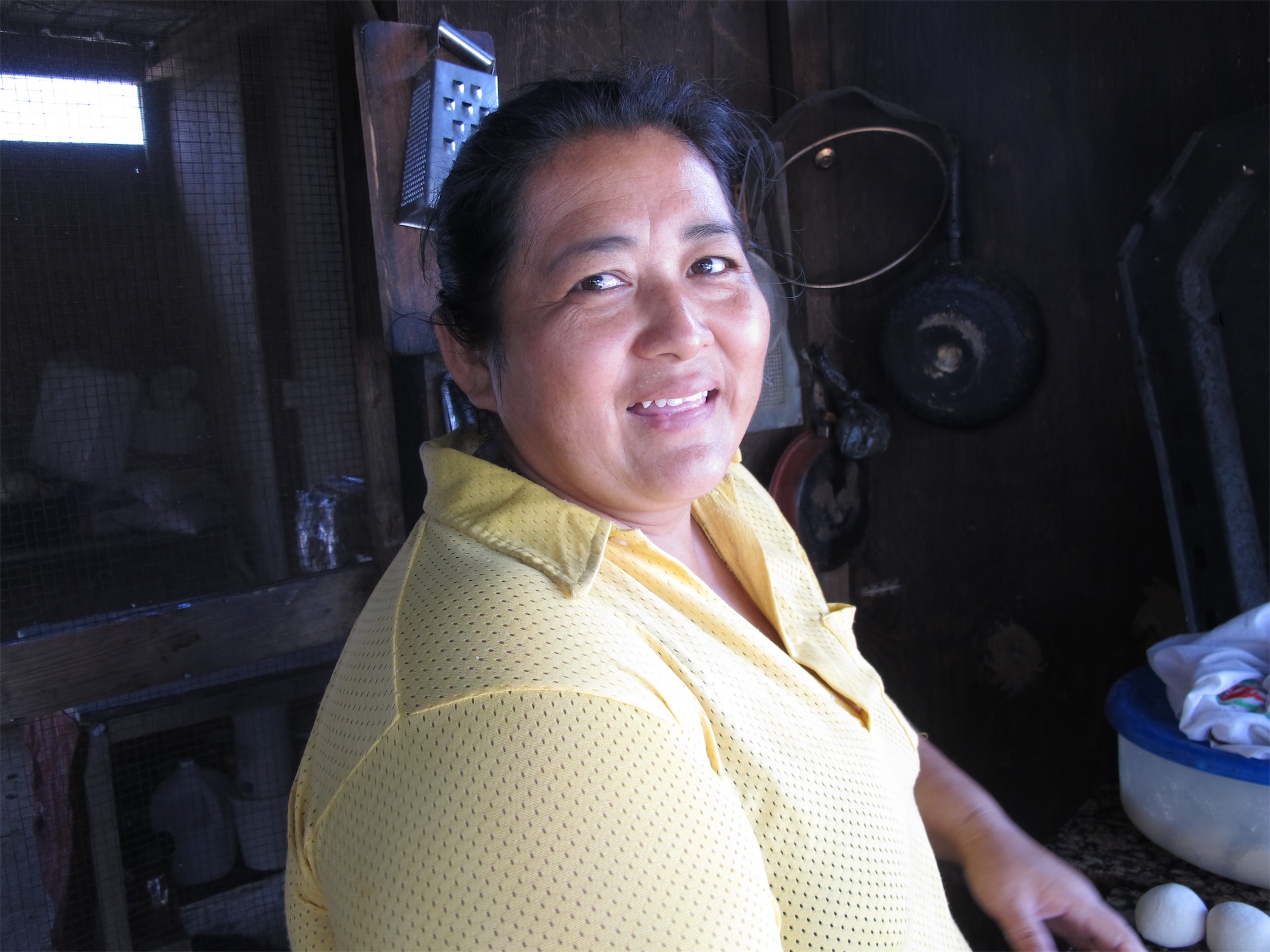
Every Sunday, a lovely local woman and her daughter set up their barbeque grill and coolers in front of the popular Belizean-owned grocery store. The sweet, smoky aroma from their cooking permeates the street and I rarely pass by without picking up some delectable chicken and beans. I order white meat (a quarter chicken) that she redips in barbeque sauce – and I choose a double order of “stewed” beans only, no rice. Flour tortillas are as large as a dinner plate and she kindly wraps them separately in a bag for me. A very filling meal for $5 USD!

Watching Stephanie at the grill.

During my last trip I decided to introduce myself and learn more about their little operation. Stephanie is the name of the woman who runs the show. She has five children and four grandchildren. The day I made the video that accompanies this blog, she told me she had risen early in the morning to buy 32 chickens that she quartered to make 128 pieces. Once the chicken was prepared she started on her huge, boiling pots of red kidney beans and rice and her daughter Bernice chopped countless heads of cabbage for fresh coleslaw. And of course she makes her own tortillas. She sets up around 9 am and usually sells out before 5 pm – sometimes as early as 1 pm. .

Delicious BBQ - chicken, beans & fresh tortillas.

The beans. Oh, the beans are so flavorful. Stephanie begins with fresh dried red kidney beans. She doesn’t soak them at all like I do but cooks them with onion, garlic and sweet bell peppers until the sauce thickens. She told me this takes her about 1 ½ hours, not long “if the dried beans are fresh.” The barbeque sauce is not homemade although she adds “special seasonings.”

She begins the tortilla making with 10 pounds of flour, and by the time we arrived at 2 pm she was out of tortillas and had to buy more handmade ones at the grocery store. Bernice was chopping additional cabbage to replenish their morning’s cooler-full. By my estimation Stephanie had only 10 or so more orders until her grill would be empty and she could go home and rest until next Sunday.

Below is my Barbeque sauce recipe that I make when I’m in Belize. I brought some to Stephanie, eager to get her opinion. She was pretty surprised that I would bother to create a homemade sauce for her, but I could tell that she was flattered nonetheless. I have changed some of the original ingredients that I use in the U.S. so that it is easy to find the components in the tiny grocery store in San Pedro. You can make it spicier with more red pepper flakes or habanero, sweeter with added honey, or less salty with less soy sauce. I am a sweet barbeque sauce fan but everyone has their individual tastes. To me a recipe is just a starting point, so make it your own.

Homemade Barbeque Sauce

Makes about 1 ¾ cups of sauce

Ingredients
  • ¾ c catsup
  • ¼ -1/3 c honey (or turbinado sugar if there isn’t honey at the Belizean markets)
  • ¼ c white vinegar
  • ⅓ c tamari or soy sauce (I prefer tamari but have to use soy in Belize and I use less)
  • 1 tsp crushed dry red pepper flakes or to taste
  • 1 tsp regular yellow mustard (dry mustard is good too)
  • ¼ tsp ground black pepper
Instructions

Using a medium sauce pan, heat all together for 5 minutes or until it just comes to a simmer. Remove from the stovetop and add more honey or crushed red pepper to taste.

Cool and store in the refrigerator for up to 1 month.

Use to marinate meats, for basting BBQ chicken, for sloppy joes, in salad dressings, etc.

Check out more at Wanderfood Wednesday!

Share
Posted in Central America, Condiment | Tagged , , | 4 Comments